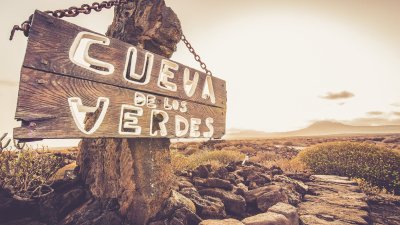
The night Lanzarote began to show itself to the world
On October 5, 1963, the Cueva de los Verdes became one of the first major tourist projects in Lanzarote. That day also began a new way of looking at and showcasing the island's landscape.
The end of the world had the landscape of Lanzarote
When cinema found in the island's volcanoes the perfect setting to imagine a Earth destroyed by an atomic war

October 2nd: Albertito, a disappearance that remained in the memory of Lanzarote
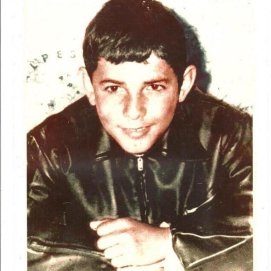
October 2, 1973, was the 93rd day since Alberto Pérez Elvira, Albertito, disappeared in San Bartolomé at only 13 years old. Three months had passed since that July afternoon when he left school with his blue bicycle and never returned.
The day a king from the East discovered Lanzarote and decided to stay, La Mareta
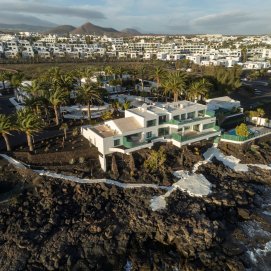
On October 1, 1981, Hussein I of Jordan visited Lanzarote with Noor, discovered its landscape and architecture, and decided to acquire a property in Costa Teguise: La Mareta was born.
The day a 100-meter giant arrived in Arrecife and a strange light crossed its sky
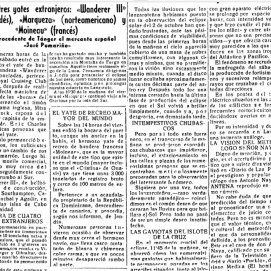
September 30, 1959 · Arrecife contemplated that day a scene difficult to imagine today: off its coast appeared the Moineau, a spectacular French yacht of one hundred meters in length and 3,000 tons
The day Lanzarote changed its skin
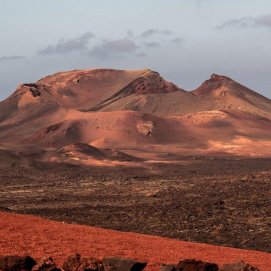
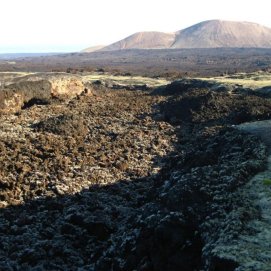
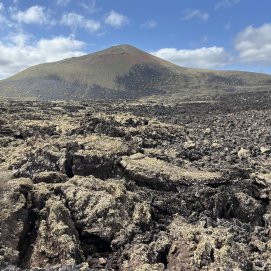
September 29, 1824. The earth opened up again in the heart of Timanfaya, the Chinero volcano was born and a tongue of lava advanced for kilometers until it reached the sea
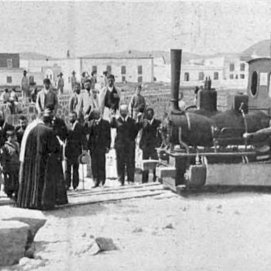
September 28, 1907: the day Arrecife wanted to lay rails in its streets
A small locomotive would end up crossing Real Street and other downtown tracks to bring stone and sand to the works of the future Muelle Grande
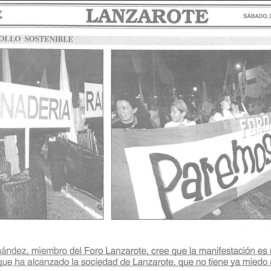
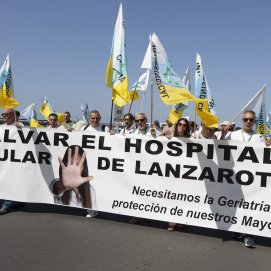
September 27, 2002: the day Lanzarote took to the streets to defend its future
Thousands of people took to the streets to say enough to unlimited growth. The protest brought together environmentalists, neighbors, businessmen, unions, social groups, and anonymous citizens, while José Saramago walked among them
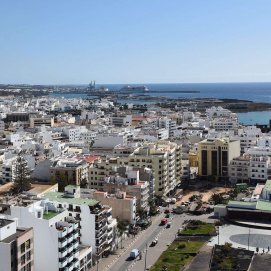
September 26, 1847: the day Arrecife snatched the island's capital from Teguise
The Royal Decree that moved the Court of First Instance to the Port of Arrecife initiated a process that would change the political and administrative center of Lanzarote forever
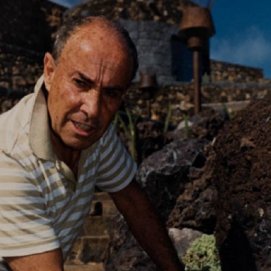
September 25, 1992: the day Lanzarote was left without César Manrique
He was 73 years old. He died when he was returning to Haría after working at the Foundation he had created months before. But his true work was not in a museum: it was an entire island
The 85 meters under Lanzarote: the young people who dared to enter the abyss
On September 24, 1963, a group of young people from Haría descended up to 85 meters into some caves in Tinajo that then seemed to have no bottom.
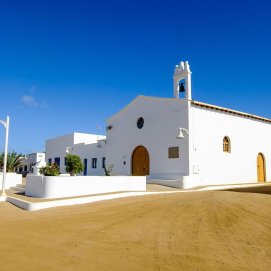
September 23, 1945: the day La Graciosa stopped depending on Lanzarote even to bury its dead
The first mass in the new church of Caleta de Sebo symbolized the beginning of a transformation that led to the island cemetery, school, pier, and water tanks after decades of isolation
September 22: the day Lanzarote tries to imagine itself without cars
The island celebrates Car-Free Day while its vehicle fleet approaches 150,000 vehicles, human pressure reaches 249,095 people, and tourism maintains more than two million arrivals until July.

Have the British destroyed Lanzarote?
The phrase of a British influencer forces a look at the data: the United Kingdom represents more than half of the island's tourists, but the figures do not allow attributing tourist pressure, housing, or sustainability problems to a nationality.
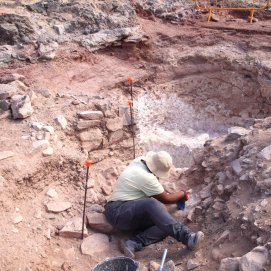
September 21, 1571 | Dogalí attacked Lanzarote, 455 years later, El Rubicón reopens its history
Four centuries and a half later, a new archaeological campaign begins in San Marcial de Rubicón to continue reconstructing the first chapters of the permanent European presence in the Canary Islands.
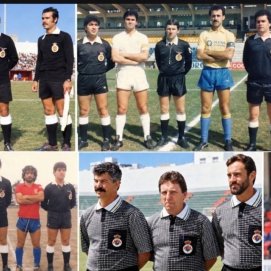
The whistle that made history in Lanzarote
From the pioneers of the San Ginés Tournaments to Alejandro Hernández in a World Cup and Ágata López in the F League: more than seven decades of Conejero refereeing
Twelve years knowing how to stop it and the cat's tail keeps appearing in Lanzarote
The official documents reveal that the island identified the problem in 2014, placed it as a top priority in 2017 and warned that road cleaning could favor its expansion; in 2026 RedEXOS continues to act on the same vectors
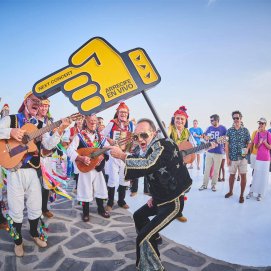
16 bands, four Fridays, and an entire city. That's how the story of Arrecife en Vivo began
On September 19, 2013, nobody knew yet if that idea was going to work. Would the public attend? Would the streets respond? Would bars and establishments agree to become part of a festival without a venue?
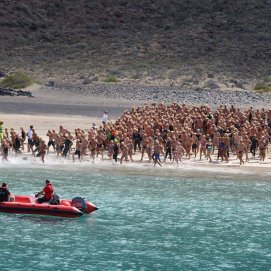
53 swimmers launched themselves into the sea without knowing they were making history
The first Swim Crossing between Lanzarote and La Graciosa brought together 53 participants 33 years ago; this Saturday the event reaches its XXX edition with 500 swimmers and maintains intact the challenge of crossing the 2,600 meters
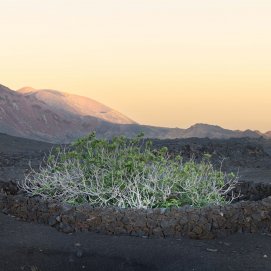
Lanzarote decided to protect its volcanoes: on September 17th, Timanfaya was made a National Park
On September 17, 1974, the Official State Gazette published the decree that had created Timanfaya National Park
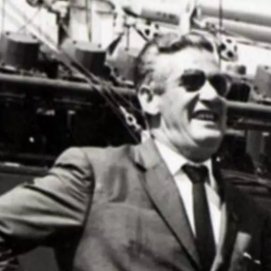
Ginés de la Hoz and the end of a decisive decade at the helm of Arrecife
On September 16, 1970, one of the most intense and decisive stages in the recent history of Arrecife came to an end. That day, Ginés de la Hoz Gil left the Mayor's office after more than ten years at the head of the City Council, since he took office
Lanzarote, between the memory of the volcanoes and the future of La Graciosa
On September 15th, we look at Mancha Blanca and Our Lady of the Volcanoes, but also at Lanzarote: an island transformed by fire and which today faces another change, this time caused by us.
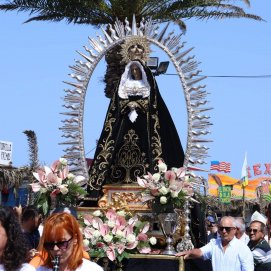
The Christ that arrived floating and brought the rain
The tradition of the Christ of the Waters of Guatiza tells that an image of a crucified Christ appeared floating in the Caleta del Riadero after three years of drought. The discovery, followed by the arrival of the rains, was interpreted as a miracle
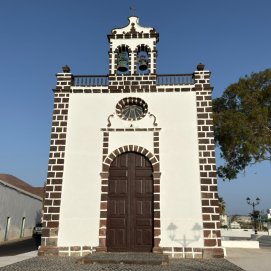
Lanzarote before the 100 years of the Federation: more than a century of football, from Campo Salinas to the 2026 World Cup
A chronological reconstruction of Lanzarote football: clubs, fields, leagues, youth academy, women, referees, great Cup nights, and the generations that made the ball part of the island's memory
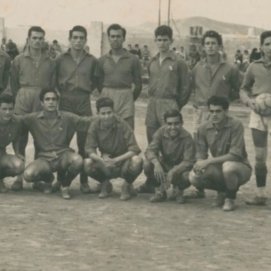
The nameless child who inaugurated Yaiza's book of the dead
On September 12, 1728, as the new parish of Our Lady of Remedies began to write its own history, the first death record documented the burial of a child whose name has not reached us.
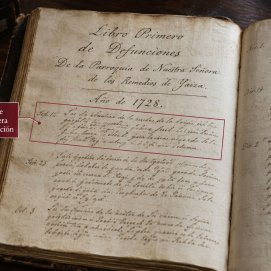
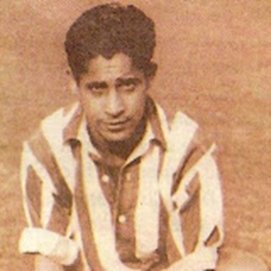
Two September 11ths that unite Lanzarote with the history of Atlético de Madrid
A child born in Arrecife became a two-time League champion with Atlético de Madrid. Exactly 76 years later, the same club returned to Lanzarote to play the Copa del Rey and was on the verge of being eliminated.
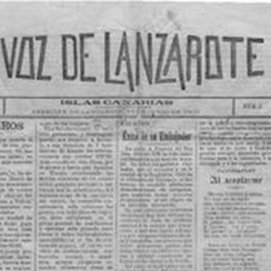
When a Voice was born in Lanzarote: Antonio María Manrique and that first "La Voz" of 1905
The journalist and investigator born on September 10, 1837, was part of the generation that turned the press into the island's memory. That La Voz de Lanzarote is not the current one, born in 1985, but both are part of a common history.
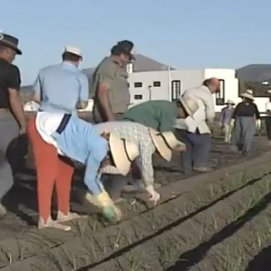
The day TVE showed all of Spain a Lanzarote that no longer exists
On September 9, 1995: TVE's 2 broadcast Atlantes: Lanzarote, a 57-minute and 10-second documentary that can be fully recovered today
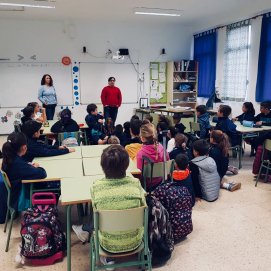
Around 21,500 students and more than 2,400 teachers will begin the new school year in Lanzarote
The start of the new school year will be marked by the increase in the choice of Vocational Training, classrooms for 0 to 3 year olds, and new infrastructures
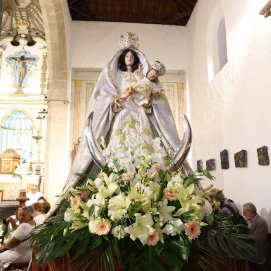
Santa Catalina: the town that Lanzarote lost under the lava and whose name survived
On September 7, 1730, a stream of fire changed course and erased a village from the landscape with its houses, its lands, and its church. Today, only its place names remain; its memory, however, remains alive on the other side of the island.
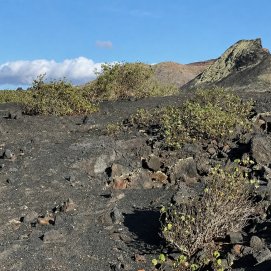
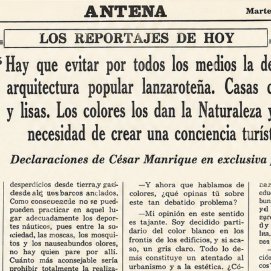
64 years later Manrique's words continue to challenge Lanzarote
On September 4, 1962, as tourism began to transform the island, César Manrique warned about the landscape, the architecture, the dirt, and the need to grow without destroying