
The municipal archive of Arrecife hosted this Thursday the presentation of the new 'Protocol for prevention, detection and intervention in situations of mistreatment' of the elderly in the municipality; a tool, promoted by the Department of Social Welfare of the capital's City Council, directed by Maite Corujo, and more specifically within the Area, from the Home Help Service.
This protocol seeks to address the new realities and challenges that affect the elderly in Arrecife, where a total of 277 dependent people receive assistance at home, and marks an important change in the way of addressing the mistreatment of this group, focusing on an intervention model that begins with prevention.
Through the early identification of risk factors in the environment of each elderly person, it seeks to anticipate possible scenarios of abuse or vulnerability. This allows professionals not only to act in emergency situations, but also to implement preventive measures that significantly reduce the risk of mistreatment.
The detection of possible cases of mistreatment is another fundamental pillar of this protocol. Through the analysis of specific indicators, the personnel in charge can assess the severity of each case, ensuring that no situation of vulnerability goes unnoticed.
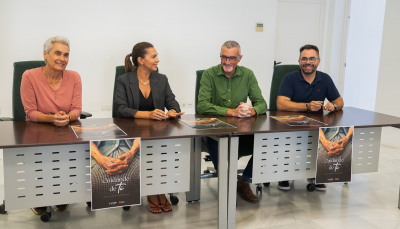
This was explained at the press conference offered this Thursday, in which the Arrecife's head of Social Welfare, Maite Corujo, was accompanied by the accidental mayor, Echedey Eugenio, the Minister of Social Welfare of the Cabildo of Lanzarote, Marci Acuña, the capital's councilor of the Elderly Area, Rosmen Quevedo, and Elisa Corujo, geriatric doctor of the Doctor José Molina Orosa Hospital.
During the presentation, the accidental mayor, Echedey Eugenio, expressed the commitment of the City Council to advance in the care of the elderly and thanked the work of the areas involved. "We have set ourselves a challenge: to improve and facilitate the care of our elderly. It is not only about improving home care, but also about creating these protocols that allow us to have clear action procedures in certain situations," he said.
For her part, Maite Corujo, Councilor for Social Welfare, highlighted the need and importance of having a tool that unifies criteria for all those involved in the care of the elderly. "This not only includes the assistants who go to the homes, but also other administrations, such as the Cabildo of Lanzarote, the geriatrics area of the hospital, the third sector and even the local police. It is essential that we all have the same formats and know how to act in each situation related to the protection of the elderly".
This protocol, therefore, establishes clear and coordinated intervention guidelines, designed to offer a rapid and effective response to confirmed cases. This intervention seeks not only to address the immediate needs of those affected, but also to offer long-term support and protection, working in close collaboration with other local services and entities.
In this regard, the Minister of Social Welfare of the Cabildo of Lanzarote, Marci Acuña, stressed the importance of inter-institutional collaboration to improve the care and protection of the elderly: "The Cabildo has a social care system of public places in Lanzarote, which is extensive. Our daily goal is to grow and continue to increase the coverage of public places in all corners of the island. In Arrecife, specifically, we have 46 places in a residence that is within the grounds of the island hospital, and we are working to complement these places together with the City Council. This close collaboration allows us to respond to extraordinary or urgent situations and achieve an effective protection network".
In addition to the principles of action, the protocol includes a series of training days aimed at caregivers, home help staff and interested citizens, which will be coordinated by Elisa Corujo, geriatric doctor at the José Molina Rosa Hospital, who highlighted the humanistic approach and the importance of training in the care of the elderly: "This protocol addresses important aspects, such as dignified care, accompaniment and care for patients with palliative needs. It also focuses on capturing signs of inadequate treatment and how the accompaniment should be carried out. We have established a program with themes focused on humanism and respect for those who need care in sensitive spaces such as their homes," he explained.
With these sessions, the Department of Social Welfare wants to provide updated knowledge about the treatment and intervention in risk situations to all those involved, thus strengthening a culture of respect and care for the elderly in the municipality.
Maite Corujo has insisted that this protocol "is a firm step to ensure that the elderly live in a safe environment", and has stressed that the involvement of the whole society will be essential for this.


