
The ecological group Seo/BirdLife has reported to the General Directorate of Natural Spaces and Biodiversity of the Government of the Canary Islands the release of 126 cats in the Chinijo Archipelago Natural Park, "without the mandatory authorization from the managing body or the corresponding environmental impact assessment." In this regard, it states that "this action contravened state and regional legislation on biodiversity and animal welfare, as well as the management guidelines of the protected area."
The events took place a year ago, between July 25 and 28, 2024, when a capture, sterilization, and return (CSR/CER) campaign was carried out, which involved the release of these specimens.
In a statement, the organization added that the environmental body responsible for managing the species and areas affected by the aforementioned campaign is the General Directorate of Natural Spaces and Biodiversity of the Canary Islands Executive. Initially, in March of this year, Seo/BirdLife requested the removal of the cats from this area included in the Natura 2000 Network from the Department responsible for Animal Welfare of the Island Council of Lanzarote.
However, in the absence of a response, the ecological organization has reported the events to this area of the Canary Islands Executive. In its complaint, SEO/BirdLife requests the investigation of the events, the determination of responsibilities, and the immediate adoption of precautionary measures, including the capture and relocation of the released cats, to avoid a greater impact on the biodiversity of La Graciosa.
"The release of cats in protected natural areas is an illegal practice that puts the survival of unique species at risk. La Graciosa is a treasure of biodiversity that we cannot afford to lose," said Yarci Acosta, Territorial Delegate of SEO/BirdLife in the Canary Islands.
A documented threat to endangered species
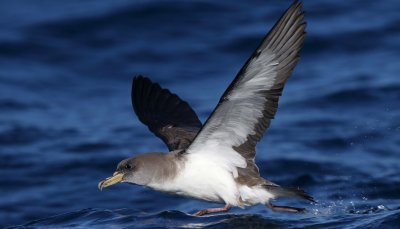
Thus, they indicate that the presence of feral cats on the island of La Graciosa poses a serious threat to seabirds and other protected species, such as Bulwer's petrel (Bulweria bulwerii), classified as Critically Endangered. Official reports from the Autonomous National Parks Agency confirm that, between 2020 and 2023 alone, cats have caused the death of at least 130 birds on the island, with episodes of mass mortality affecting entire colonies.
La Graciosa is part of the Natura 2000 Network as a Special Protection Area for Birds (SPA) and a Special Area of Conservation (SAC), in addition to being recognized as an Important Bird Area (IBA) and a Natural Park within the Canary Islands network of protected natural areas. The introduction of alien species such as the cat is prohibited in these areas due to the risk it poses to the integrity of their ecosystems and the survival of priority species.
Recommendations to reconcile cat ownership with biodiversity protection
On International Cat Day, and on the occasion of the presentation of this complaint, SEO/BirdLife recalls some necessary actions for the conservation of biodiversity:
• Well-cared for and protected cats
Responsible ownership implies that cats live in controlled, sterilized (except for authorized breeders) and identified environments, avoiding their free access to the street or the natural environment, where they may be exposed to dangers and cause unintentional damage to wildlife.
• Feline colonies under control and with the aim of reduction
Cat colonies, especially in urban and natural areas, should be managed with municipal plans that identify, control, and progressively reduce these populations.
• Special protection on islands and protected areas
On small islands and natural areas of high value, it is recommended to limit the ownership of new cats and prevent their access to the outside, to safeguard wildlife species. In larger territories, it is key to ensure sterilization and prevent the proliferation of uncontrolled colonies. In any case, cat colonies in protected natural areas of islands are not acceptable or recommended [LS7] due to the serious and proven impact they cause.
• Awareness and animal welfare
It is essential to inform and raise awareness among citizens about how to care for cats without endangering biodiversity, always applying welfare and ethical management measures, and promoting harmonious coexistence between people, animals, and nature.


