
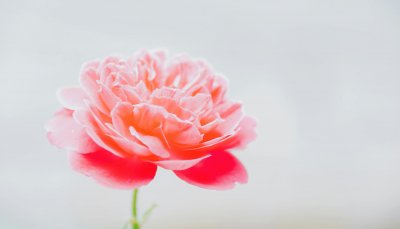
The Japanese peony is one of the most admired flowers in the world of gardening and floral art. Its elegant beauty, deep symbolism, and ancient history have made it a highly prized plant in both the East and the West.
Originating from Asia, especially China and Japan, the Japanese peony stands out for its delicate shape, soft petals, and ability to adapt to different climates. In Japan, this flower is considered a symbol of honor, prosperity, and good fortune, which explains its frequent presence in traditional gardens, temples, and works of art.
Unique Characteristics of the Japanese Peony
Japanese peonies belong to the genus Paeonia and are known for their unique floral structure. Unlike other varieties, the Japanese peony has a particular arrangement of petals: the outer ones are broad and decorative, while the center is composed of stamens transformed into fine filaments that give it a light and refined appearance. This characteristic makes it easily distinguishable from Chinese or European peonies, which usually have denser or double flowers.
Variety of colors and their symbolism
One of the reasons why the Japanese peony is so popular is its wide variety of colors. There are shades ranging from pure white to intense red, including soft pinks, corals, and violets. Each color has a symbolic meaning within Japanese culture.
- White: purity and spirituality
- Pink: elegance and femininity
- Red: passionate love and inner strength
This chromatic richness allows them to be combined in gardens or floral arrangements that convey different emotions and messages.
The Japanese Peony in Japanese Culture and Art
Since the Heian period (794–1185), the Japanese peony has appeared in paintings, fabrics, ceramics, and poetry. It is considered the “queen of flowers” for its elegance and majesty. In traditional Japanese gardens, it holds a special place because it is associated with the harmony and perfection of nature. During spring, when it blooms, festivals and exhibitions are organized in its honor, especially in places like the Ueno Toshogu Shrine in Tokyo.
Symbolism and Spiritual Meaning
In the realm of symbolism, the Japanese peony represents prosperity, fortune, and success. In many Asian cultures, it is also associated with femininity, beauty, and spiritual balance. In modern Japanese decor, peonies appear on kimonos, prints, and tattoos, evoking elegance and nobility. Therefore, beyond its ornamental function, this flower holds a very deep emotional and spiritual significance
Care and Cultivation of the Japanese Peony
Growing Japanese peonies is not complicated, but it requires certain care. They prefer temperate climates, with cold winters and mild summers. They need well-drained, nutrient-rich soils, and partial or full sun exposure. It is important to avoid excess moisture, as it can affect the roots. Flowering occurs in spring and can last several weeks, offering an incomparable visual spectacle.
International Popularity of the Japanese Peony
In recent years, the popularity of the Japanese peony has crossed borders. European and American gardeners have adopted it for its elegance and resilience. Furthermore, its use in interior decoration and weddings has grown considerably. Floral arrangements with Japanese peonies symbolize purity, luxury, and sophistication, making them an essential element in events and celebrations
Medicinal Value and Eastern Tradition
Some botanical studies highlight the traditional medicinal value of the roots of certain peony species, used in Eastern medicine to relieve muscle pain or improve circulation. Although its main use today remains ornamental, this aspect further increases interest in this plant.
The Japanese peony is not just a beautiful flower, but a deeply rooted cultural and spiritual symbol. Its natural elegance, its diversity of colors, and its rich history have made it one of the most beloved varieties in the world. Whether in a Zen garden, a traditional painting, or a modern bouquet, the Japanese peony continues to captivate hearts and convey beauty, harmony, and meaning generation after generation
Add La Voz de Lanzarote as a preferred Google source.
Stay informed with the latest current news.


