
We are referring to the possible elimination of the IGIC (the Canarian VAT) for all tourists from the United Kingdom. With Brexit finally in effect in a few months (in principle, the formal divorce with the European Union will take place on March 30, unless there is an unexpected twist in the style of soap operas), it is time to readjust.
It would therefore be a question of boosting and promoting our tourism, threatened by the clouds of a Brexit that is not clearing up. Faced with the uncertainty of a sharp drop in the number of Britons who visit our islands in the event of a hard Brexit, the Government of the islands has decided to get ahead by putting this fiscal measure on the table.
The biggest nightmare of the Canarian executive led by Fernando Clavijo would be a drop in the number of British visitors, since the British market is currently the country that brings the most tourists to the islands. The fear is that the significant devaluation to which the pound sterling has recently been subjected in recent times will translate into less British purchasing power and, therefore, fewer visits, as well as a drop in income per tourist.
Some of the best Forex platforms showed figures that almost reached parity with the euro in 2018 that we have just finished. Many jobs would be in danger if urgent economic measures are not taken to counteract this effect on the downward trend of the British currency.
The fiscal course that our archipelago is taking seems more appropriate than the one that the Balearic Islands are adapting, where their tax per night of accommodation in their territory has grown by almost 100% last year. Almost nothing. If the Canary Islands know how to take advantage of the more than likely British transfer from the Balearic Islands to the Canary Islands, the measure will be a complete success with total certainty.
A reform possible thanks to our insular fiscal treatment
Our land has the great fortune of having the character of an extra-community territory. It is true that in return we have to face challenges that peninsular Spain can avoid. But it seems that the regional government is willing to exploit its fiscal treatment for the negotiation of this tax exemption before the European Union.
It is worth considering in the last instance if what is good for the Canary Islands would not also be good for the rest of Spain. Why not boost all our national tourism by applying this tax exemption throughout the Spanish territory? For a country that depends so much on the tourism industry like ours, it can be a lifeline that boosts our economy.
Brexit has awakened the fears of all European governments, but perhaps it is a good time for them to stop and reflect on how to turn what a priori seems like an adversity into an advantage and a competitive opportunity. Our islands seem to be on the right track. A window of opportunity opens for the Canarian tourism industry.
Will the measure affect German tourism?
The alarms are starting to sound about the possible impact that this fiscal measure could have due to comparative grievance with Germany. Germans are the second largest group of tourists who visit our islands after the British, so the Canary Islands are playing for high stakes.
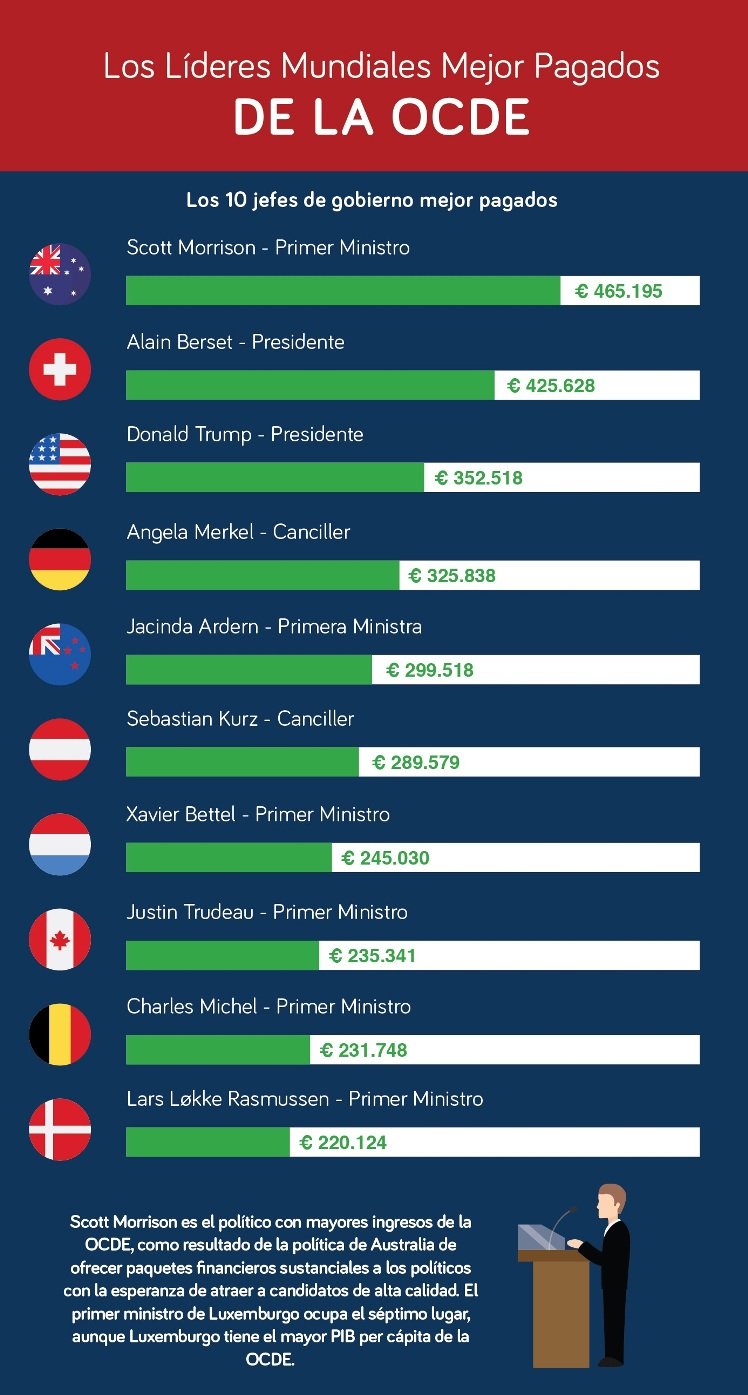
Although Angela Merkel, as one of the 10 best paid heads of government in the world, receiving a not inconsiderable salary of more than 325,000? per year, will have no problem paying the Canarian VAT if she decides to visit us, the truth is that her fellow citizens will probably not think the same. The citizens of Luxembourg, who are also a strong tourism on the island due to the level of spending they represent, may feel more encouraged to visit our islands, since although their president is in seventh place on this list, their citizens have the highest per capita income in the OECD. It remains to be seen what the real impact of this measure will be, particularly on the highly relevant German tourism. It seems that Brexit is being a real headache for all those affected, directly or indirectly.
Add La Voz de Lanzarote as a preferred Google source.
Stay informed with the latest current news.