
It's 9:35 PM in the Canary Islands. The night is calm. Sitting at the dining room table turned into an improvised “evacuation headquarters,” I just realized it's gotten dark.
I've lost track of the day, the time, and almost life before August 2021. Starting this month, the unstoppable Taliban advance in Afghanistan, the withdrawal of American troops, and the death threat to Afghan female judges occurred. Most of them are members of the International Association of Women Judges (IAWJ), which promotes the leadership of female judges to advance, from justice, the conquest of human rights for women and children. This is especially risky in countries like Afghanistan. Last January, two of our members from the Supreme Court of Afghanistan were murdered in Kabul. They were targeted assassinations immersed in a campaign directed against Afghan female judges, considered 'infidels' for daring to judge men and for imprisoning a good number of Taliban members, recently released.
I realize that I've been connected to the International's zoom since 5:30 in the morning. This zoom never closes. It's an operations center to get our Afghan colleagues out of hell.
A small group of female judges enters and exits it as if it were their living room. At this moment, there are seven female judges and two Dari language interpreters online. The female judges are part of a “diverse court.” Their mission transcends the holding of trials and the issuing of sentences. The lives of their Afghan colleagues now depend on their telematics “deliberations.” A responsibility learned through bad or very bad experiences over the past few weeks. They now face a reality that traps them and from which they do not want to leave until they achieve a happy ending.
They don't wear robes, but comfortable t-shirts. Sometimes they eat on the keyboard, or comb their hair, or drink from their colorful mugs during their shifts.
The two interpreters are much more than that; they also interpret the emotions of the female judges who, from hidden places, remain crouched down waiting for their opportunity. Fear, terror, anguish, difficulty obtaining food or medicine, and limitations on their fundamental rights are an inseparable part of their new daily lives.
Judge Aziza dared to grant custody of two girls to their maternal grandmother after the mother was murdered by her Taliban father and sentenced him to prison, but in the same trial, he publicly threatened her when he was released. Currently, the Taliban are looking for Judge Aziza to execute that “verbal sentence.” Magistrate Shukria's husband was kidnapped by the Taliban for four days. The maternal uncles of Judge Rahiana were surprised one morning by the Taliban who raided their home with death threats; luckily, she remained hidden in a distant democratic country.
The Afghan magistrates burned their legal books and, hidden behind burqas, began with their families a flight to nowhere that has them trapped in a country wounded to death.
It's 10:35 PM. The group is working on a new evacuation. The colleague from Miami debates with the Canadian about some important detail. The Australian colleague, who has been working on this new mission for hours, also gives her opinion. Suddenly, silence is heard, and the judge from New Zealand types. She is heard sighing. She has been awake for 26 hours.
The colleague from Vermont is working to get insulin for Asifa, Judge Amina's four-year-old diabetic daughter. To achieve this, she has already initiated contacts with people in four countries and in four different time zones. The judge from the United Kingdom warns of the receipt of anonymous messages offering help to the female judges that should never be answered. They are a trap.
The group continues verifying data, investigating the sources of possible rescues, raising money, looking for visas, negotiating with governments to obtain help, and faces a constellation of bureaucratic and security problems.
The Afghan female judges have fought from their courts, with sentences, for the fundamental rights of their Afghan compatriots, daring to stand up to a system that denied them as human beings, and are now a strategic Taliban target to teach a population in shock.
It's 5:35 AM. The alarm clock rings. I look at the group's messages. Good news. Some female judges and their families managed to leave Afghanistan. In addition, Brazil is issuing us some visas that will allow other colleagues to leave. We have to find a way.
I connect to zoom, the collective joy is not hidden, but without excesses and always with caution. Tomorrow things may change.
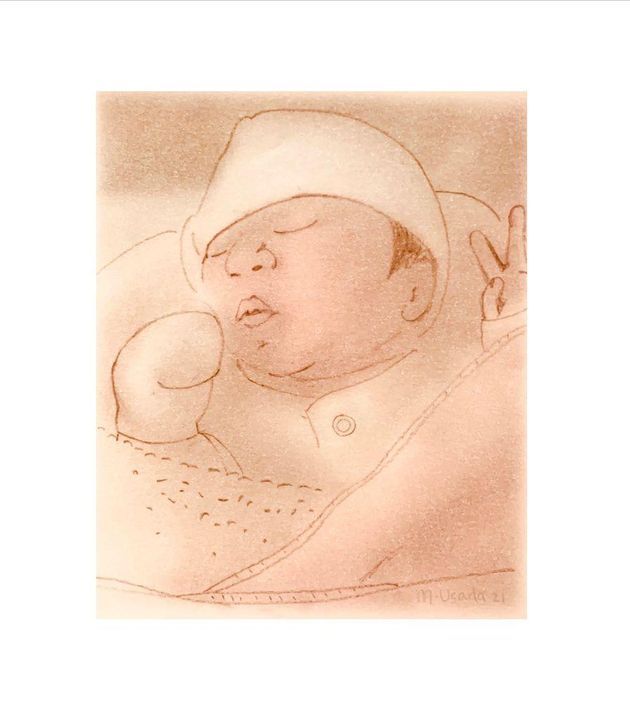
It's 6:35 AM. More good news. The young judge Anisa gave birth to a girl of 3.852 kg. Her baby managed to be born free in a country where the human rights of women are respected. That girl will be called Libertad (Liberty).
The group smiles and is morally reinforced. We continue…
Article published in Huffingtonpost



Add La Voz de Lanzarote as a preferred Google source.
Stay informed with the latest current news.