The Tías City Council culminated in mid-April the first edition of its participatory budgets with five winning proposals, presented by the citizens, which will be executed in the coming months after the reservation of a budgetary allocation of 150,000 euros.
The City Council will allocate 100,000 euros from the general budgets of 2025 to the creation of a youth leisure and sports space in Puerto del Carmen. This was the winning investment initiative by telematic vote among the initiatives presented through a digital survey and with information sessions that began last summer.
Furthermore, the council will allocate, from its current expenses, a total of 15,000 euros for the mental health and well-being initiative called Living and Feeling Well in Tías; another 15,000 euros for Tías Edusabor, related to children's food and nutrition; 10,000 euros to the proposal Tías Participa from School and another 10,000 euros for the initiative designated as Companions and Friends, connected to animal welfare.
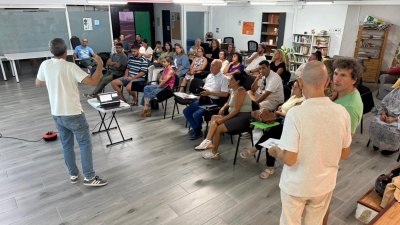
In total, 127 proposals were submitted, from which the five cited projects were chosen, 628 votes were received, and more than 150 people participated in the five assembly sessions held throughout the process, which lasted several months. The voting took place from March 9 to April 9.
The mayor of Tías, José Juan Cruz, and the councilor for Citizen Participation, Nicolás Saavedra, confirm that the municipality "has culminated with enormous success this first edition, an initiative that is already part of the recent history of local citizen participation".
Nicolás Saavedra recalls that "what began as a determined bet to listen to the citizenry, ends up consolidating as one of the most complete, innovative, and inclusive participatory processes developed to date in Lanzarote and the Canary Islands.
Saavedra adds that “the true success of this first edition lies not only in the winning projects, but in having demonstrated that another way of building a municipality is possible: more open, closer, participatory and human”.
“Tías has managed to lay the foundations for a model where citizens not only give their opinion, but decide; where technology does not replace human contact, but complements it; and where institutions, technical staff, the third sector, and neighbors work in the same direction,” he concludes.
Add La Voz de Lanzarote as a preferred Google source.
Stay informed with the latest current news.