
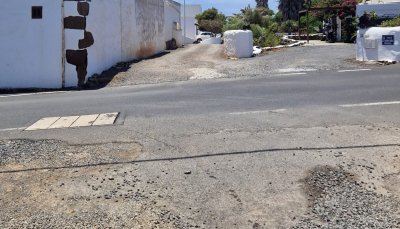
The Municipal Group of Coalición Canaria in San Bartolomé has presented a motion to the Plenary of the Corporation to demand the immediate urbanization and adaptation of the La Entrada and La Montaña streets, in the nucleus of Güime, given "the worrying situation of abandonment" by the City Council led by Isidro Pérez that the residents of the area are experiencing.
Both streets “do not have asphalt, sidewalks, sufficient public lighting, service pipes or adequate signage; they are dirt roads where families, minors, elderly people or people with reduced mobility travel daily, exposed to obvious risks and accidents”, denounces the municipal spokesperson for CC David Rocío.
“The lack of essential infrastructure is a serious violation of the principle of equality between the residents of the municipality, families who have been waiting years for a solution that never comes”, adds Rocío, who emphasizes that the “absence of services, the lack of accessibility and road insecurity constitute discrimination against the resident population who deserve to live in adequate and safe urban conditions”.
For these reasons, CC San Bartolomé demands the immediate drafting of a comprehensive urbanization project for these two streets that guarantees the safety, accessibility and habitability of the area. In addition, it urges to formalize the urban planning agreements or expropriation procedures relevant to provide the City Council with the necessary land to execute said works and to allocate budget items both in the current extended year and in the next municipal budget.
“The socialist government of the City Council cannot continue to look the other way while there are residents exposed daily to risks, accidents and clear institutional and administrative discrimination, the opposite of the social justice and territorial cohesion that they boast so much about”, concludes Rocío.


