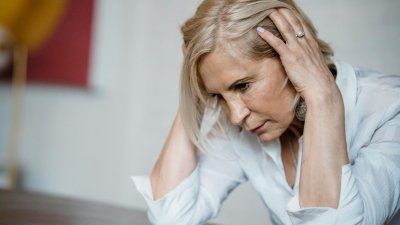
There are thousands of diseases, syndromes, and stages that human beings go through during their lives. In the case of women, with the arrival of a certain age, they live and suffer in the first person menopause, a stage that marks the end of menstrual cycles and the fertile phase. Its diagnosis comes after twelve consecutive months without menstruation and is usually detected in women between 45 and 55 years old. This stage causes in many people a feeling of shame due to its symptoms such as hot flashes, insomnia, or lack of sexual appetite, which triggers a taboo when talking about it.
According to data from the Ministry of Health of the Government of the Canary Islands, in Lanzarote around 15,000 women are in the perimenopause stage (between 45 and 54 years old) and more than 25,000 in postmenopause (over 55 years old).
Sonia Tejedor, a midwife from the Teguise Basic Health Zone, explains in an interview with La Voz that menopause "is really a day, the last day you had your period," since "from then on it is considered postmenopause." According to the professional, 80% of women have symptoms to a greater or lesser extent, while the remaining 20% do not suffer any.
Despite the best-known symptoms being hot flashes, insomnia, mood swings, or lack of sexual appetite, the reality is that there are hundreds of symptoms whose origin is attributed to menopause and its estrogen deficiency. Other symptoms include vaginal and ocular dryness, lack of emotional stability, dry skin that causes itching, pain in knuckles and joints, or forgetfulness and lack of concentration, among many others. "Above all, extreme tiredness," points out the midwife.
The professional explains that the impact of menopause has been classified into six health systems: the cardiometabolic system, the osteomuscular system, the vulvovaginal system, the urogenital system, the psychoemotional system, and the sexual system.
Symptoms that impact family, social, and work relationships
Among the symptoms, mood and sexual changes can pose a problem in family, work, social, or romantic relationships. "It's harder for you to reach orgasm, you get less aroused, and there's less sexual desire," says Tejedor.
"This discomfort that the woman feels in the end is overwhelming, to which is added the lack of support from professionals," she continues.
However, he acknowledges that currently more visibility is being given to menopause. "Before, this stage was neglected a lot and women went through this stage suffering a lot, and when a woman loses quality of life and does not feel well, it ultimately impacts the family, social, and work nucleus," he explains.
In the case of Loly Rodríguez, a 54-year-old woman from Lanzarote with menopause, she tells La Voz that she noticed the first symptoms at 45 years old. "I started with fatigue, with emptiness in my stomach like when you are pregnant, and also with bad moods and tiredness," she says.
Rodríguez, who works as a cleaner in a health center, suffered severe symptoms during her working hours. "I felt tired at work, I felt very bad and I had to sit down because I felt like I was going to faint," she recalls. As a result, midwife Sonia Tejedor offered her a treatment to improve her quality of life. "At first I was scared, but now I thank her because I am a different person," she states. This treatment is based on pills and patches of progesterone and estradiol that compensate for the lack of hormones.
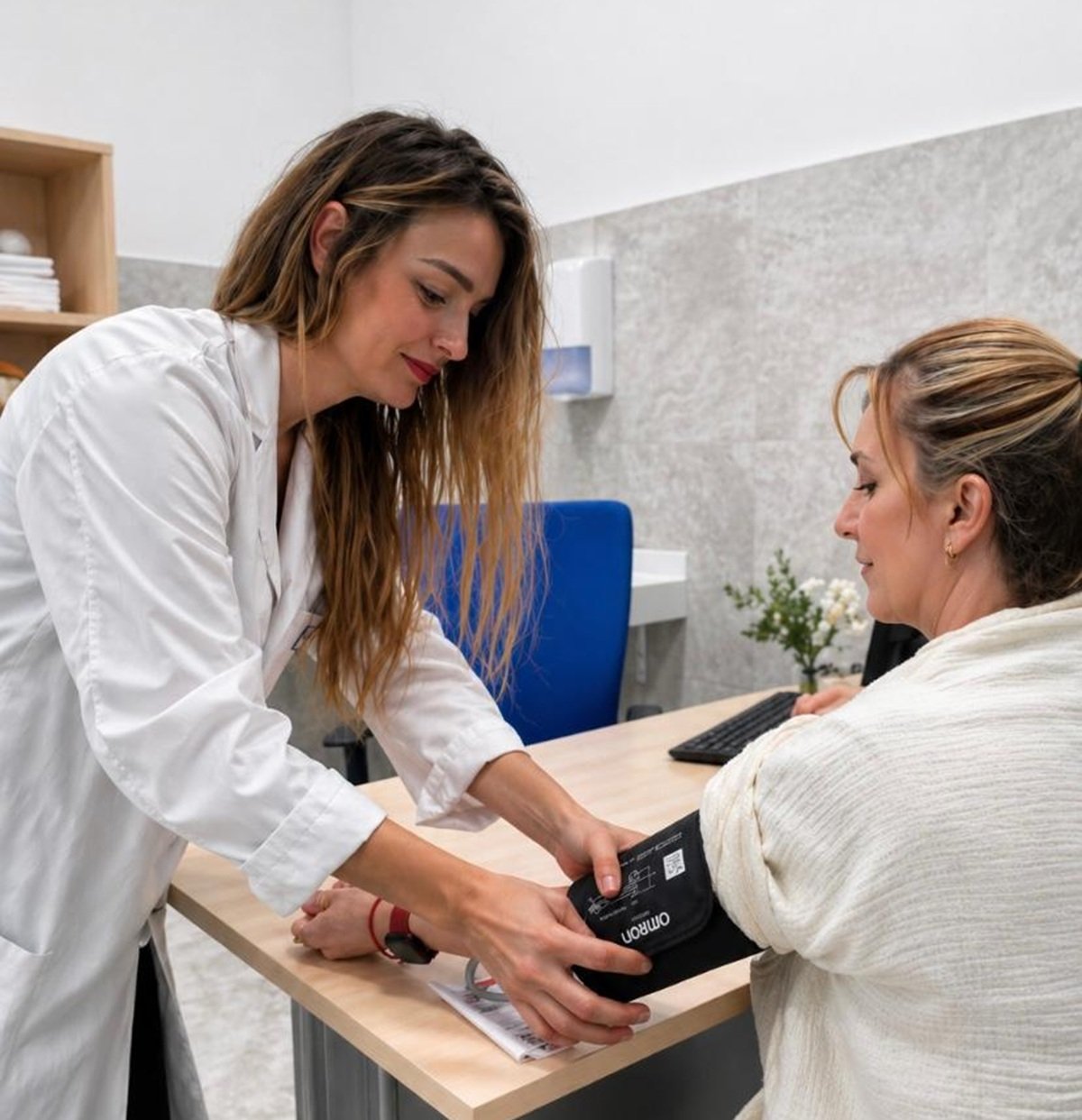
Women face misunderstanding
Faced with pains, lack of spirit, and discomfort that are not physically visible, many women feel misunderstood by their families or their environment.
In this regard, the midwife assures that this happens due to "lack of knowledge". "It's because you can't identify it, when patients come to my office and I tell them that this is due to menopause, they calm down because they can identify the origin of their symptoms," she says.
And it is that on many occasions, patients arrive at the doctor with the thought that "they are getting sick" and are with "a lot of anxiety and nervous due to the uncertainty of not knowing what is wrong with you and not having someone to guide you". In this regard, he affirms that there are even women whose symptoms decrease after knowing the diagnosis because "it is proven that stress increases menopause symptoms".
Therefore, the lack of information is one of the biggest obstacles they face because "menopause is not made visible and it is not talked about." "I think the origin of all this is because there is no training in menopause, although now there are master's degrees and courses," she opines. And it is that many doctors did not have training on this stage and "if you do not have a professional who attends to you, accompanies you, and advises you, the information does not arrive."
In fact, Loly Rodríguez assures that when she went to her doctor's appointment after the first symptoms, the only thing he told her was that menopause "was something that had to happen and that it was normal." Furthermore, they even gave her pregnancy tests. "I got angry because I had my son through in vitro fertilization and it upset me," she says.
As a result of this lack of information, Primary Care from the Lanzarote Health Area promoted the workshops Let's Talk About Menopause, which is coordinated by Sonia Tejedor herself. It is a space where women can go to get information because "it's what they want," as they arrive with many doubts and fears. In these workshops, guidance is offered on how they should take care of themselves, what steps to take, or the reason for certain physical and hormonal changes.
Guidelines to minimize the impact of menopause
Despite the fact that the arrival of menopause is inevitable, the impact of its symptoms can be reduced by leading a healthy life: a Mediterranean diet, sleeping well, and doing physical exercise, both strength and aerobic. "These pillars will give you the passport for a good menopause and good aging at the same time because it all comes in parallel," indicates the professional.
Tejedor assures that, by carrying out these good healthy habits, "the symptoms decrease", although he recognizes that "one must not generalize".
"What I always say is that the best thing is to enter menopause with healthy lifestyle habits already established because they will enjoy it more, if they enter with all the changes that occur in the body and do not have good habits, menopause can have a very negative impact," she recommends.


Add La Voz de Lanzarote as a preferred Google source.
Stay informed with the latest current news.