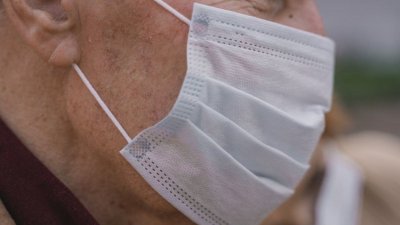
The Framework Document of Recommendations for the control of Acute Respiratory Infections (ARIs) approved this Wednesday establishes a series of measures to be adopted based on the intensity of infections, including wearing a mask whenever symptoms are present, as well as in hospitals and nursing homes.
The Public Health Commission has managed to bring forth a new plan after the Community of Madrid presented its own document of recommendations this Tuesday, which was debated in today's meeting; now, they must draft the final text with the agreed-upon modifications, which, according to sources from the organization, barely alter the original proposal
"We have approved a common protocol against flu, COVID, and other respiratory infections with all the autonomous communities. Teleworking or masks in healthcare centers save lives. We said it was necessary and possible. And we have achieved it," the Minister of Health, Mónica García, announced on her social media.
Four risk scenarios
The new plan defines four risk scenarios based on various indicators, which are extracted from the information provided by different sources: the Surveillance System for Acute Respiratory Infections (Sivira), along with information from the daily mortality monitoring system (MoMo), vaccination coverage from the Vaccination Information System (Sivamin), and data on hospital and ICU occupancy.
The four scenarios are: interepidemic or baseline situation; low or medium level epidemic, high level, or very high level, which will be determined by the detected transmissibility levels along with the evaluation of the rest of the indicators and the analysis of the impact on healthcare resources and the susceptible population.
Each one entails a series of measures, the application of which must be done in a staggered and incremental manner, so that at each level the recommendations of the previous ones are also in effect.
Mask and reduce interactions, always when experiencing symptoms
However, there are a series of general recommendations for all of them, including the use of a surgical mask when symptoms are present, especially if they will be in contact with vulnerable people, or reducing social interactions in those cases.
Also the development and dissemination of vaccination recommendations, the maintenance and strengthening of surveillance systems, the training of health and non-health personnel, and the review of contingency plans for health and social health centers to ensure continuity of care, adequate ventilation of spaces, and respiratory and hand hygiene.
These measures must be actively communicated to the public through accessible informational materials.
Specific Measures by Scenario
Regarding the specifics, the framework document establishes the following:- In interepidemic or baseline situations, general measures are maintained, such as the promotion of **vaccination, epidemiological surveillance, and staff training**. People with symptoms are advised to wear a mask, especially if they will be in contact with vulnerable individuals, as well as its continued use by symptomatic workers in healthcare and social care centers- At the low or medium level, that recommendation for **masks** is intensified for people with symptoms and in vulnerable environments.In hospitals, it is recommended in sensitive areas (such as oncology or transplant units) by both professionals and patients and their companions; in residential centers, continued use by symptomatic workers is maintained, and additional measures may be adopted if transmission is detectedIn addition, activities for inter-institutional coordination and active communication with citizens are reinforced- At a high level, masks will be recommended in common areas of healthcare facilities, such as waiting rooms or emergency roomsMeanwhile, in residences, the mask recommendation will be extended to vulnerable individuals in **enclosed spaces without adequate ventilation**, and the visiting policy will be reviewed- And at a very high level, extraordinary coordination between territories is activated, through meetings of the Plenary of the Interterritorial Council of the National Health System. Health authorities may establish exceptional measures to control transmission in certain contexts or groups that are particularly exposed.



Add La Voz de Lanzarote as a preferred Google source.
Stay informed with the latest current news.