The protests against mass tourism that began in the Canary Islands and have been spreading throughout the country emphasize, among other aspects, achieving sustainable and environmentally friendly tourism.
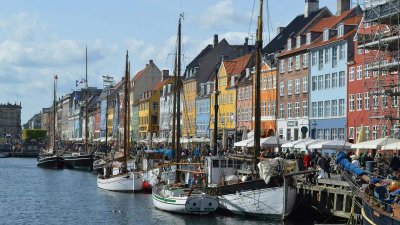
Spain is a country particularly affected by mass tourism, but many other places in Europe also suffer large waves of tourists in a small space. This is the case, for example, of Copenhagen, which accounts for 12 million overnight stays per year.
The Danish capital has launched the initiative 'Copenpay', through which tourists who behave sustainably when visiting it receive free tickets to museums, invitations to eat for free, have ice cream, coffee, kayak trips, among others. There are 24 attractions in the city that have joined the campaign.
For example, visitors who arrive at the National Gallery of Denmark with plastic waste will be able to participate in a workshop to turn it into works of art.
Also tourists who choose to travel by bicycle instead of using the car, collaborate in urban gardens or gardens or carry out beach cleaning, among other actions, will be rewarded.
The director of the city's tourism office, Mikkel Aarø, explains that according to a survey of his own, 82% of visitors say they want to act sustainably, but only 22% change their behavior.
“We want visitors to make conscious and ecological decisions and, hopefully, end up having even better experiences during their visit", says Aarø.



Add La Voz de Lanzarote as a preferred Google source.
Stay informed with the latest current news.