
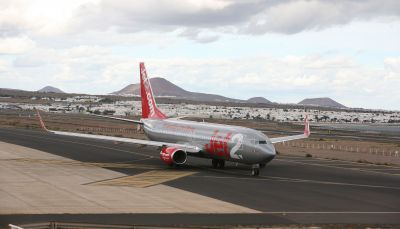
The European Parliament approved last week a new regulation to promote sustainable fuels in aviation (SAF for its acronym in English) and decided to exempt the outermost regions, among which is Canary Islands.
The regulation on the Use of Alternative Fuels in Air Transport is part of the commitments made by this sector to reduce the carbon footprint in passenger transport and thus combat the effects of climate change.
The new community regulations require airlines operating at EU airports to use at least 2% SAF, from 2025, which will increase to 70% in 2050.
The exemption of the Canary Islands will prevent air tickets to travel to the archipelago from becoming more expensive since sustainable fuels in aviation are still between 3 and 6 times more expensive than conventional fuel, depending on whether it is of biological or synthetic origin.
However, the Canarian Executive wants "the Canary Islands to become a producer of alternative fuels for aviation", in the words of its vice president Manuel Domínguez.
The development of this industry "will undoubtedly translate into the improvement of connectivity, employment diversification and sustainability," added Domínguez.
This exemption to protect the economy of the Canary Islands is in addition to the decision of the Council of the European Union last May to exempt the outermost regions from the application of the green tax on flights with Europe, which would have increased the price of tickets between 50 and 60 euros.


