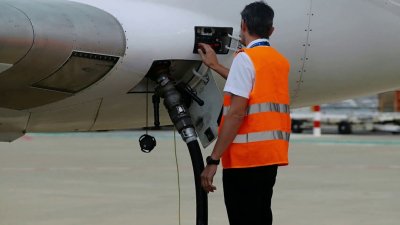
The company Cepsa, a pioneer in the supply of sustainable aviation fuel (SAF) in Tenerife North and Gran Canaria, announces that it will expand the availability of this product to the rest of the main airports in the Canary Islands, including César Manrique, "in the coming weeks."
SAF reduces CO2 emissions throughout its life cycle by up to 90% compared to traditional kerosene. SAF is made with more sustainable resources, such as used oils of organic origin, such as used cooking oil, and reduces the emission of harmful substances such as particles and sulfur.
In addition to the aforementioned Canary Islands airports, the company supplies SAF in five other major Spanish airports: Madrid, Barcelona, Palma de Mallorca, Malaga and Seville.
The measure will represent "a new milestone within Cepsa's commitment to help its clients in their decarbonization objectives and promote economic activity in the Canary Islands through more sustainable mobility and tourism", according to the company.
Several airlines in Europe and the United States have carried out flights with this fuel using either the Boeing 737MAX or the Airbus A320NEO, which did not need any specific technical modification to be able to use it.
The limitation in the use of SAF is rather that it is more expensive than traditional fuel and that production is not yet sufficient to meet all demand. It is expected that, in the future, its production will increase and, consequently, its price will be reduced.


Add La Voz de Lanzarote as a preferred Google source.
Stay informed with the latest current news.