
The Government of the Canary Islands has initiated the process of preparing what will be the first Comprehensive Youth Plan (PIJC) until 2030, which aims to articulate public policies aimed at youth in the islands, in accordance with the provisions of Law 2/2023, on Youth Policies of the Canary Islands, and which, as expressed by the General Director of Youth of the Government of the Canary Islands, Daniel Morales, "will be a milestone in the Canary Islands that will mark a before and after." "Until now, actions were carried out without a strategy; this project aims to respond to the real needs of the Canary Islands youth with a comprehensive vision and agreed upon by all agents."
"For the first time in the history of our islands -he adds-, this plan will put all the administrations and social agents that have to do with youth policies to work in the same line and with clear objectives, regardless of the different ideologies or political colors."
Regarding the objectives, Daniel Morales explains that, "as expected, the plan will pivot on the major obstacles facing youth today: employment, housing and mental health, but will also mark actions in key areas such as education, cultural development, leisure alternatives, among other issues."
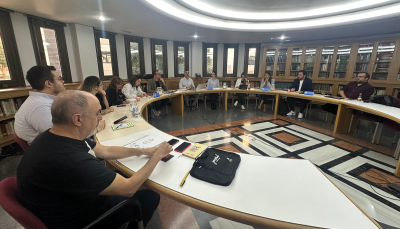
Last week, the first meeting took place at the Presidency of the Government of the Canary Islands in which, together with the team of the General Directorate of Youth, the councilors of all the island councils participated.
During the meeting, the General Director of Youth and the person in charge of the preparation of the plan presented the general objectives, the lines of work and the principles of transversality and youth participation that will govern the PIJC, aligned with the Sustainable Development Goals (SDGs) and the Youth Strategy 2030. The thematic blocks on which work will be done were also established: diagnosis of the youth reality, structuring of the report, participatory dynamization and final drafting of the plan.
Daniel Morales highlighted "the importance of guaranteeing the active participation of public administrations with responsibility in youth policies, of youth representatives to ensure a comprehensive and consensual vision of the plan that responds to the real needs of the Canary Islands youth."
Among the agreements reached, a work schedule was established that prioritizes the dynamization of participatory tables and the detailed analysis of the situation of youth in the Canary Islands. In addition, strategies were defined to include the voices of diverse groups, in order to address the insular particularities.
Add La Voz de Lanzarote as a preferred Google source.
Stay informed with the latest current news.


