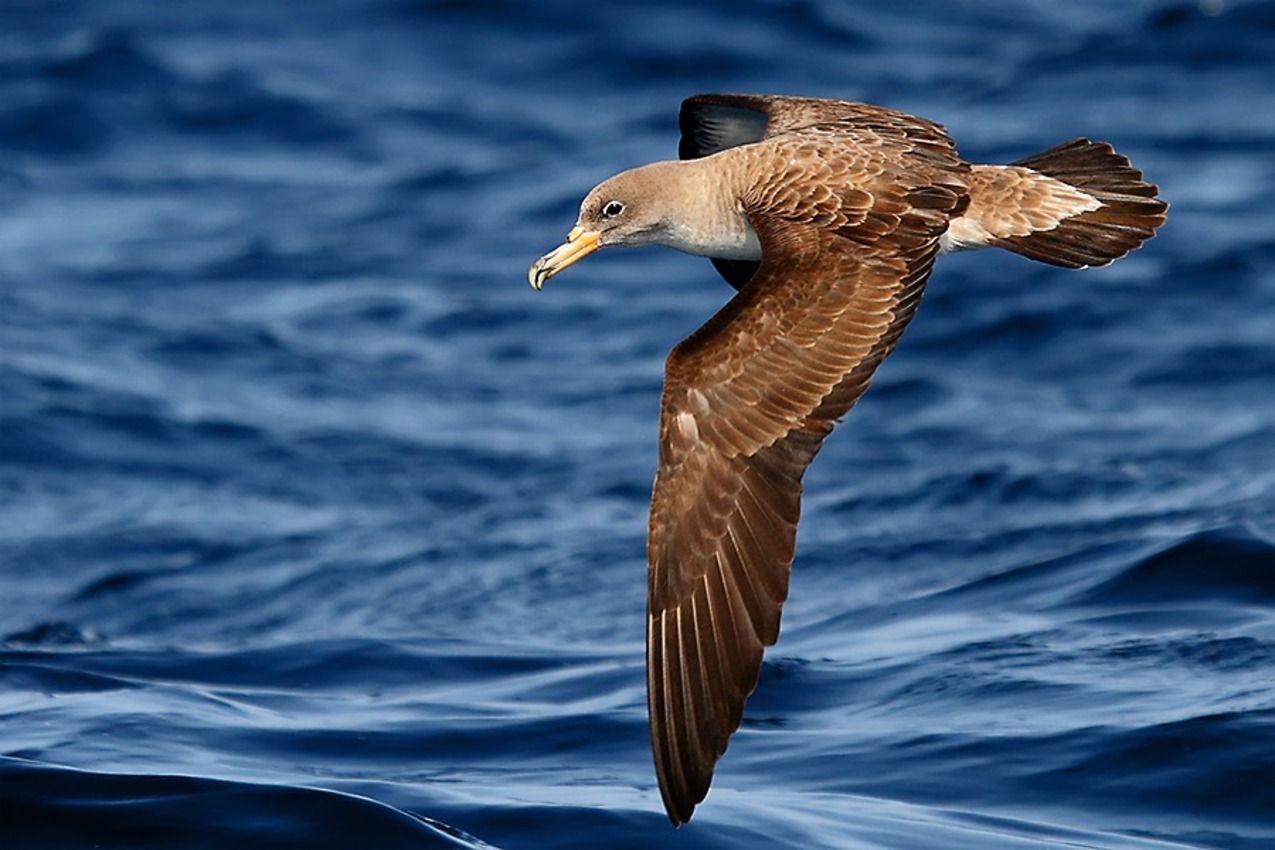
Researchers from the University of Las Palmas de Gran Canaria (ULPGC) have warned about the threat of plastic and chemical waste to seabirds after finding microplastic remains in the gastrointestinal tract of more than 60% of 88 birds of 14 species and chemical contaminants in the liver of all of them.
More than half of the birds studied correspond to Atlantic shearwaters, which in almost 89% of cases had plastic remains in their digestive tract, mostly fishing material, such as nets and threads, according to the ULPGC this Friday in a statement, which details that the magazine "Marine Pollution Bulletin" has published the study.
"Ingestion of Microplastics and Chemical Contaminants in Seabirds of Gran Canaria (Canary Islands, Spain)" is the title of the work that has evaluated the presence of this type of waste in birds that died during their admission to the Wildlife Recovery Center of the Cabildo de Gran Canaria.
This is a pioneering investigation by the Ecophysiology of Marine Organisms (EOMAR) group of the University Institute of Research in Sustainable Aquaculture and Marine Ecosystems (IU-ECOAQUA), and the University Institute of Biomedical and Health Research (iUIBS), which has had Alberto Navarro as the main researcher, the note indicates.
According to the researchers, the average number of plastic pieces located in the Atlantic shearwater is more than seven, with up to 23 plastics having been found in one specimen.
Likewise, the study has found plastic waste in the five specimens of the Madeiran storm petrel species analyzed, which is the first report of ingestion of these polluting substances by this species worldwide.
Both species, both the Atlantic shearwater and the Madeiran storm petrel, coincide in their diet, mainly in open waters, with the plastics detected in their organism coming from this ecosystem, the note states.
This data agrees with previous studies published in the same scientific journal by the EOMAR group of IU-ECOAQUA, which have determined the existence of more than one million microplastics per square kilometer in the waters near the island of Gran Canaria.
On the other hand, of the 20 specimens of yellow-legged gulls studied, 30% presented the presence of plastics in their organism, although these residues also appeared in one of the two black-headed gulls studied, as well as in the only specimen of cattle egret included in the work.
According to the researchers' conclusions, these three species tend to frequent urban areas and landfills, which makes them susceptible to accidental ingestion of this type of material.
In the analysis of the liver of the birds studied, chemical contaminants, such as polychlorinated biphenyls (PCBs), were widely detected, located in 100% of the birds studied, in addition to large quantities of polycyclic aromatic hydrocarbons (PAHs) and organochlorine pesticides (OCPs) and, to a lesser extent, polybrominated diphenyl ethers (BDEs).
Many of the substances detected, according to the scientists, have a high persistence in the environment, with bioaccumulative characteristics through the food chain.
In this way, the researchers who have been part of the study have warned about the high degree of threat that plastic pollution poses to seabirds, as incidents due to this type of waste have been detected in 44% of species worldwide.
Based on these figures, it is estimated that at this rate 99% of species will be affected by the year 2050.
According to scientists, "the danger of this type of pollution is not only in the ingestion, but also in how plastics can cause the death of birds as a result of entanglement in this material".
In addition to Alberto Navarro, the researchers Alicia Herrera, Ico Martínez and May Gómez, from the EOMAR group of IU-ECOAQUA, as well as the scientists Octavio Pérez Luzardo, Andrea Acosta Dacal and Ana Macías Montes from iUIBS, participated in the study. Likewise, Jorge Felipe de la Rosa, from the Faculty of Veterinary Medicine of the ULPGC, and Alejandro Suárez Pérez, veterinarian of the Recovery Center 'La Tahonilla' of Tenerife, have also collaborated with the investigation.


Add La Voz de Lanzarote as a preferred Google source.
Stay informed with the latest current news.