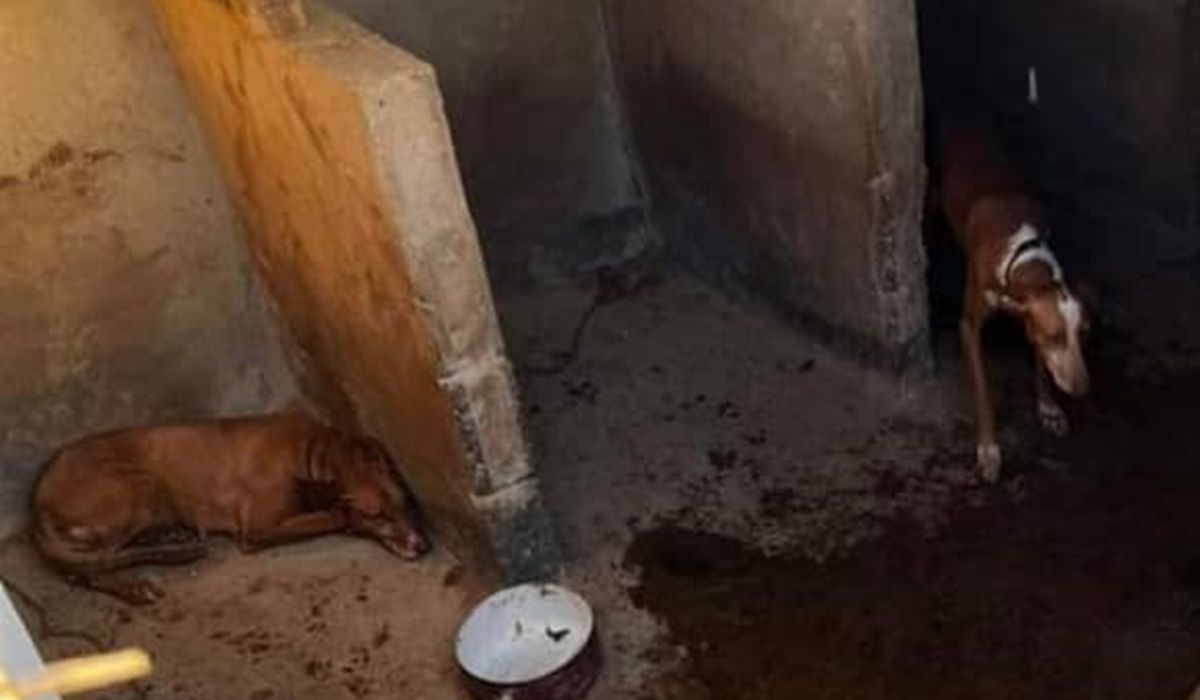
The association against animal abuse Ademal Lanzarote has announced that it is collaborating with the Seprona of the Civil Guard in the search and location of "illegal dens and farms throughout the Island", and assures that they have located "20 black spots" in just fifteen days.
According to explains, it is a campaign against abuse "unprecedented in Lanzarote", in which numerous animal-loving residents of the seven municipalities have joined "efforts and resources" to organize patrols that identify on the map the dens or illegal farms "where dogs and farm animals are crammed".
According to Ademal, the Seprona wanted to count on this citizen participation. For this, he explains that the participants were previously informed about the current legislation, "orienting and providing documentation to facilitate the work of the volunteers." "Denouncing and dismantling the illegal farms where animals of all kinds live, especially dogs, is the priority of these new groups protected by law", they point out from Ademal.
Of the 20 black spots that they claim to have located, two are located in Arrecife, two in Tías, six in Teguise, nine in Haría and one in La Graciosa.
The association details that the poor conditions in which the animals are found "violate current regulations in Spain and almost all coincide in the same causes." According to they specify, most of the places are "unattended", and are made with pallets and other prohibited materials, "which do not isolate them from the inclemencies of the weather such as heat, cold or rain".
Ademal adds that those "dens" have dirt, sand or rofe floors, "without water or with dirty liquid", and that they also have organic food "rotten or consisting of bread without any type of nutrient". To this they add that the animals are "tied or chained for more than 8 hours, lacking a chip or identification and even without veterinary cards or mandatory vaccines".
In those inhospitable places that Ademal recounts, the animals remain with "injuries, wounds or muscular dystrophies", locked in tiny rooms and "lying on their feces or living on rooftops and balconies", as they point out that it is "frequent" to see them in the capital. "Almost all are with intestinal parasites or invaded by fleas and ticks," they detail.
From Ademal they assure that any of the elements named are already individually a reason for "economic sanction", but they warn that together, they could be punished with prison sentences.
"Animal abuse is a serious crime that is gradually permeating the population of the island and is no longer seen as something insubstantial." From Ademal they also point out that the pending issue is "the inaction of the island councils", which they assure that "it is never in line with what is required of them by law". "That the cases are paralyzed, that the sanctions are not processed, is something unheard of and negligent", they denounce.
From Ademal they urge representatives and public officials to "defend animal welfare and comply with current legislation".



Add La Voz de Lanzarote as a preferred Google source.
Stay informed with the latest current news.