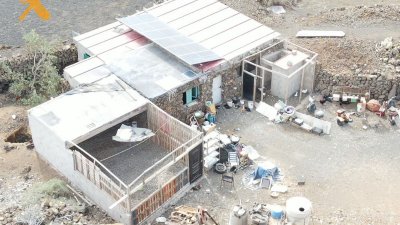
As part of the actions that the EPRONA (Nature Protection Team) of the Las Palmas Command has been carrying out on the island of Lanzarote to combat the proliferation of illegal constructions, the second phase of a broad surveillance and investigation operation has been conducted.
In this new phase, the EPRONA **has investigated a total of 22 people** for alleged crimes against land use planning, after carrying out 23 inspections of allegedly illegal buildings located in the municipalities of **Haría and Tías**. These actions are in addition to those carried out last May, in the so-called first phase, in which 20 people were investigated and 42 inspections were carried out.
Thus, so far in 2025, investigations have accumulated a total of 42 individuals investigated and 65 constructions inspected. For all these reasons, the investigated individuals face prison sentences of one to three years, fines of twelve to twenty-four months, as well as the demolition of the works and the obligation to restore the land to its original state
The investigations were initiated after EPRONA agents detected an increase in residential and recreational buildings on protected land, where such constructions are expressly prohibited. These illegal activities cause the degradation of environmentally sensitive areas, endangering biodiversity and affecting the quality of life of legally established local communities.
During the development of the investigation, the EPRONA of the Las Palmas Command — which periodically moves from Gran Canaria to Lanzarote — has had, as in previous phases, the collaboration of the Canary Agency for the Protection of the Natural Environment and the Urban Planning departments of the Haría and Tías town councils.
In this regard, the Civil Guard thanks these organizations for their involvement and support, whose collaboration has been fundamental in clarifying the factsFinally, the Civil Guard recalls the importance of **respecting urban planning and environmental regulations**, and warns that carrying out works on protected land may involve criminal and patrimonial liability, including the obligation to restore the land to its original state.



Add La Voz de Lanzarote as a preferred Google source.
Stay informed with the latest current news.