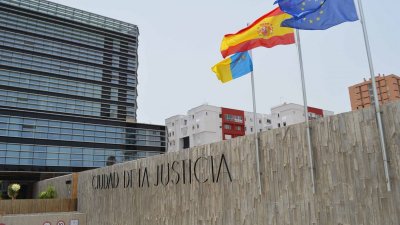
The High Court of Justice of the Canary Islands has ordered the Public Employment Service (SEPE) to pay 8,937 euros to a worker from Lanzarote with three children who was denied the more advantageous unemployment benefit in her case (the one for those over 52 years of age) on the grounds that she did not meet the requirements to access this aid, due to being a part-time worker.
The indicated amount corresponds to the difference between the subsidy paid by SEPE (5.64 euros per day) and the one that, according to European doctrine, should have been paid (15.44 euros/day) between March 27, 2019, and December 13, 2021.
The Social Chamber of the TSJC at its Las Palmas headquarters, in an appeals ruling that overturns a previous decision favorable to the SEPE, considers it a case of indirect sex discrimination and applies, for the first time for a Spanish woman, the doctrine of European Justice that benefited men by eliminating the deadline for requesting the maternity supplement to mitigate the gender gap in retirement pensions initially intended for womenThe worker went to the Court alleging that the SEPE should have recognized her unemployment benefit for those over 52 years of age since March 2019, and had not done so because the National Social Security Institute had counted half the time contributed by the affected party, as she was subject to part-time contracts.The daily amount of the subsidy recognized by the administration was 5.64 euros per day, and what the Court now states, focusing on the case from a gender perspective, is that she should have been recognized the most advantageous form of aid, the 15.44 euros per day contemplated in the unemployment subsidy for those over 52 years of age"The reasons why the INSS certified that the plaintiff did not meet the general contribution requirement to access contributory retirement," the ruling states, "were based on the demand for a total of 5,475 days of full-time contributions. This means," it emphasizes, "a greater number of contribution days are required for her as a part-time worker, with each day worked not being counted as a contributed day, which directly contravened the ruling of the Court of Justice of the European Union c-161/18 of May 8, 2019, as well as the subsequent ruling of the Constitutional Court 91/2019 of July 3, resulting in sex-based discrimination."



Add La Voz de Lanzarote as a preferred Google source.
Stay informed with the latest current news.