In three days in Lanzarote you will have time to visit virgin beaches, legendary caves, fire volcanoes and monuments full of history. Although you will get a fairly complete impression, it is recommended to spend between four and six days to see the island at a leisurely pace.
As many of the tourist sites have an entrance fee, don't forget to buy a pass that includes several of them to save money. The prices of the passes are around 35 euros per person, although it all depends on which ones you want to include.
Day 1: route through the north
The first day will focus on a route through the north of Lanzarote, starting with a visit to the Cactus Garden, in Guatiza, a botanical garden with more than 7,000 cactus specimens from all corners of the planet. It is essential to arrive there around 10:00 AM to make the most of the day.
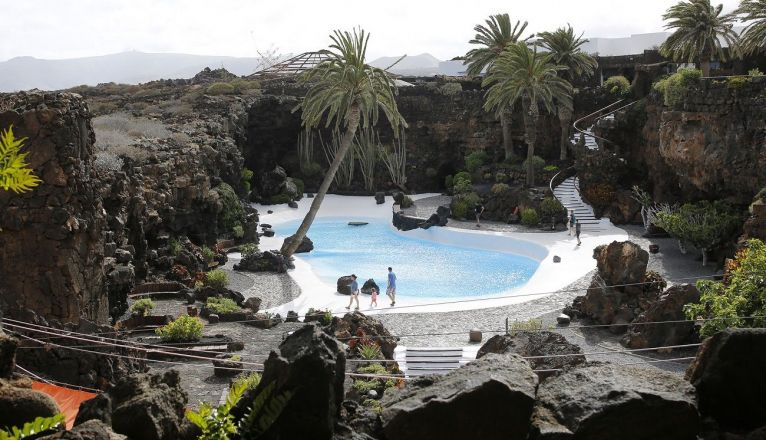
The next stop will be Jameos del Agua and Cueva de los Verdes, in the municipality of Haría, about a 15-minute drive away. Both are located inside a volcanic tunnel generated by the eruptions of the Corona Volcano. For their part, the Jameos del AguaJameos del Agua get their name from an interior lake formed by sea filtrations, which is also home to a unique endemic species called the blind crab.
Opposite this formation is the popular Cueva de los Verdes, a seven-kilometer cave used as a refuge by the islanders during pirate attacks. During the 50-minute visit, you will explore galleries up to 50 meters high with a big surprise at the end which, as in Las Vegas, what happens in Cueva de los Verdes, stays in Cueva de los Verdes.
After an intense morning of tourist visits, you can enjoy typical Canarian dishes in the restaurants of Arrieta, just a 5-minute drive away. You can taste everything from the best fish from Lanzarote, fried cheese, or the famous wrinkled potatoes with mojo.
With a full stomach, we will drive up to the top of Risco de Famara to enjoy the Mirador del Río, a viewpoint located 400 meters high, which gets its name from the body of water that separates the island of La Graciosa from Lanzarote.
From its balcony and from the panoramic windows of its cafeteria, visitors can contemplate the Chinijo Archipelago, a group of islets formed by La Graciosa and the islets Roque del Este, Roque del Oeste, Alegranza, and Montaña Clara.
This work by César Manrique is included in certain passes. It is important to mention that it closes at 5:00 PM, so it is advisable to keep track of time while you eat. In case you arrive late, you can always go to one side to enjoy the views, but they are not equally spectacular.
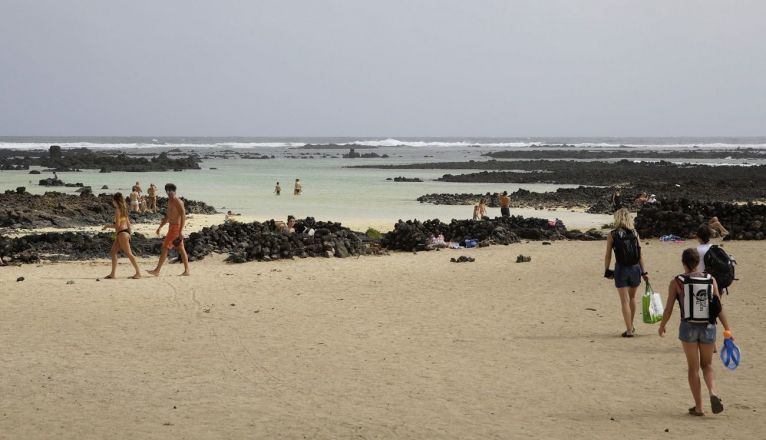
To end the intense day, you can spend the afternoon at El Caletón Blanco beach, in Órzola, one of the most peculiar locations on the island. It is a beach where white sand mixes with the black of volcanic rocks and the turquoise blue sea.
Day 2: route through the south
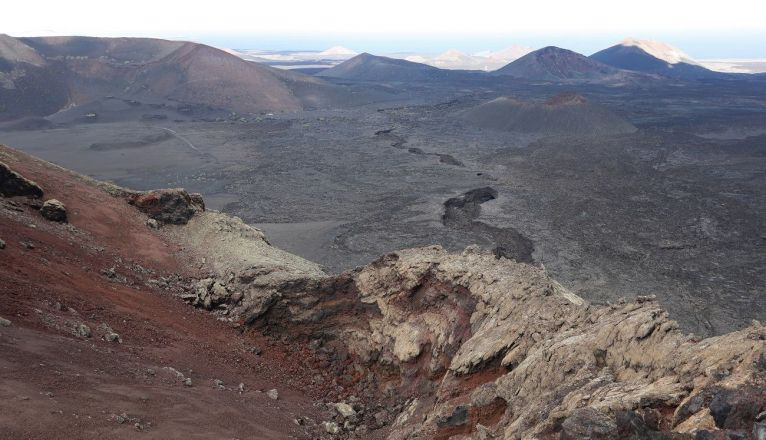
The second day begins at Timanfaya National Park, in the municipality of Yaiza, in the south of the island, to see one of Lanzarote's greatest attractions: the volcanoes. The opening hours are 9:30 AM, but it is recommended to arrive half an hour earlier in high season.
Once there, you can leave your car in the parking lot and enjoy the geysers, a route through the Fire Mountains by bus, and dishes made with the earth's heat at the El Diablo Restaurant, a work by César Manrique.
After the visit, the ideal is to continue the route to the south, towards the small town of El Golfo, where you will find a viewpoint from which you can observe a landscape taken from the planet Mars. In the place, you will see a black sand beach, which contrasts with the reddish color of the rocks, and the Lake of the Clicos, better known as the Green Lake, which gets that color from the algae found at its bottom. In addition, it is a good place to eat seafood and typical Canarian food facing the sea.
The next stop is Los Hervideros, volcanic cliffs where the waves crash with force, generating a sound similar to boiling water. It is important to be cautious in this area. If you continue the road towards Papagayo, you will find Las Salinas de Janubio, a good place to take photos of the island's salt flats, full of colors and with the presence of numerous protected birds.
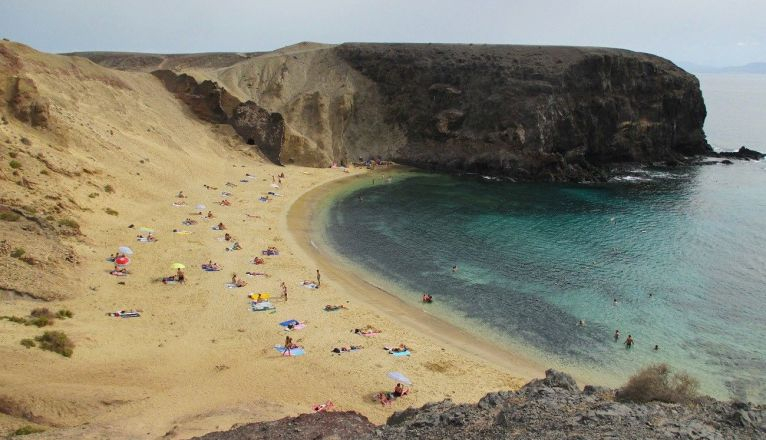
Once the route is finished and after several hours of "sightseeing", you can finally relax on the beaches and coves of Papagayo, at the southernmost point of the island. If you haven't eaten yet, you can do so at the beach bar at the top of the mountain, where you will have a panoramic view of the two main coves.
It is important to mention that the entrance to Papagayo costs three euros and is accessed via a dirt road with the occasional stone, so you will have to be careful.
Day 3: route through the center of the island
The last day in Lanzarote will be a bit more relaxed, so you won't have to worry about the schedule or the price, as all the sights are free to access.
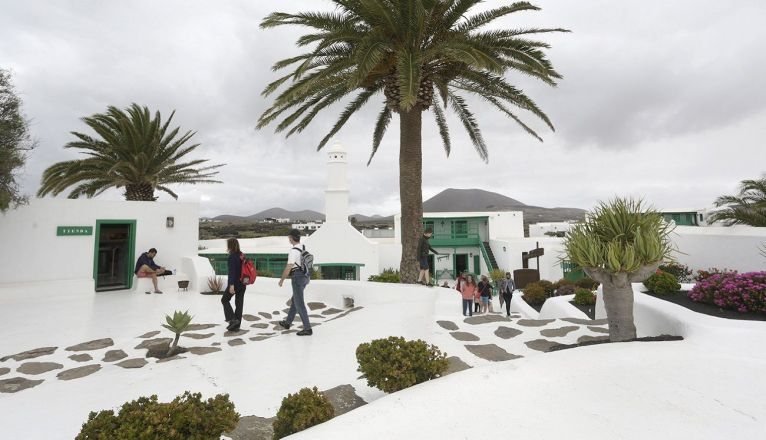
The route will begin around 10 in the morning in the center of the island, at the Casa-Museo al Campesino de César Manrique, in the municipality of San Bartolomé. It is an emblematic place to take a photo, with its white walls and green doors.
Then we will head to the Volcán del Cuervo, in Tinajo, a perfect place for a family walk inside a volcano. It is a circular hiking route, with no elevation change, that surrounds this peculiar dark-colored volcano over 380 meters high. The round trip from the parking lot takes about an hour, and you can even enter its crater.
The volcanic route continues in La Geria, albeit in a more relaxed way and with a glass of wine in hand. It is a protected natural area of over 5,000 hectares, where vines are grown in holes dug in volcanic ash.
You can taste all kinds of Lanzarote wines in the various wineries in the area, as well as try some cheese with very original views. Afterwards, you can try the famous "papas arrugadas" with mojo, "carne fiesta," or other typical dishes of the island in one of the teleclubs in the area, such as the one in Mancha Blanca or Tao.
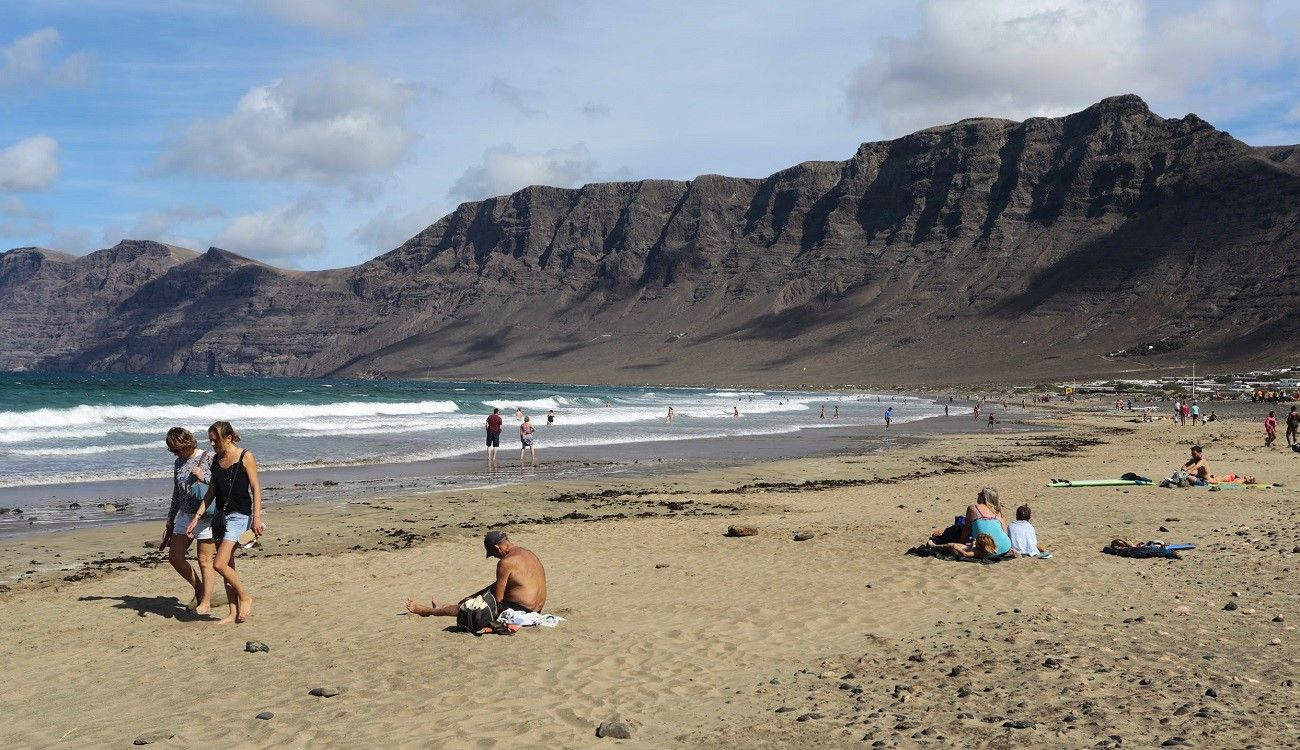
After lunch, it's time to relax on the popular Playa de Famara, under the imposing cliff of the same name. It is one of the best places to watch the sunset, as it tends to take on reddish hues that mix with the orange and pink tones of the sky.
It is a beach with strong waves, so many surfers come here to enjoy the waves or simply to walk. It also has a dune area that will transport you to the desert, all along six kilometers of sand.
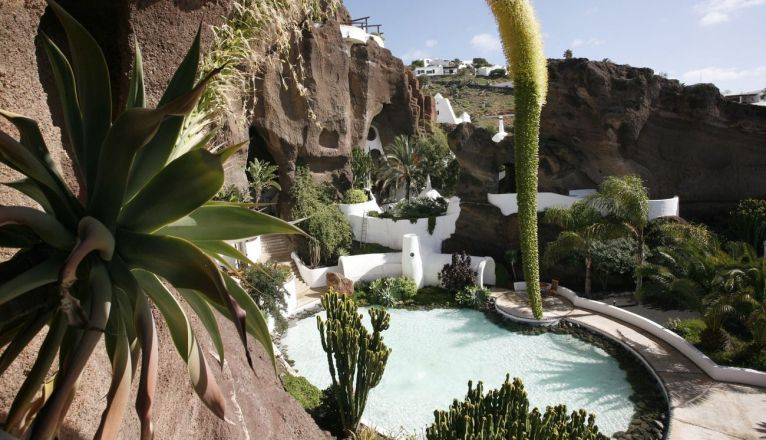
To end the day, we will make a stop at the Lagomar Museum, a cocktail bar and restaurant embedded in a cave in the town of Nazaret. With ambient music and dim lights, it is one of the most spectacular and different places to enjoy a wine or a beer in complete tranquility and, thus, put the finishing touch on a trip full of contrasts.

Add La Voz de Lanzarote as a preferred Google source.
Stay informed with the latest current news.