Lanzarote is an island very well connected by road, so a good way to get to know it and enjoy its landscapes full of contrasts is through car or motorcycle routes.
Here are five road routes that will take you through viewpoints at over 400 meters high, volcanoes, black and white sand beaches, and charming little towns.
Monumento del Campesino - La Geria
The starting point will be the Monumento al Campesino, a work by César Manrique dedicated to the farmers of Lanzarote, in San Bartolomé. Then, we will continue along the LZ-30 towards the La Florida area, passing through Masdache until we reach La Geria.
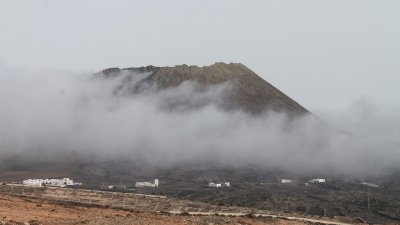
If you have time, you can always make a mini stop to see the Volcán del Cuervo, on the outskirts of Masdache.
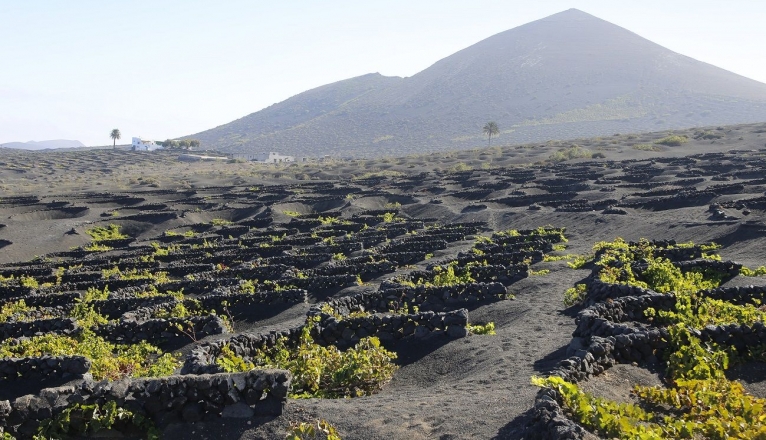
Once in La Geria, you will be able to observe a protected natural landscape of over 5,000 hectares, where vines are cultivated in holes dug in the volcanic ash that protect them from the wind with semicircular stone walls.
You can taste all kinds of wines in the different wineries in the area, as well as enjoy a sunset among palm trees, volcanoes, and vineyards that extend to the town of Uga, in the municipality of Yaiza. The route covers about 15.7 kilometers and takes about 20 minutes to complete without stops.
Yaiza - Salinas de Janubio
In the south, you can also take a very impressive volcanic route, where you will see reddish rocks that contrast with the blue of the sea and the black of the sand on its beaches, among other things.
The journey begins in the town of Yaiza and takes about 35 minutes on average, not counting stops for photos, which is about 26 kilometers in total. The first thing to do is take the LZ-704 road, bordering the Timanfaya National Park, until you reach the fishing village of El Golfo.
There you can make a quick stop to go to its viewpoint and observe its incredible black beach and the famous charco de Los Clicos, better known as Lago Verde, which gets its color from the algae found at its bottom.
Then, following the LZ-703, you will pass through the Montaña Bermeja area, in front of a black sand beach of the same name, a landscape straight out of the planet Mars, until you reach Los Hervideros, volcanic cliffs where the waves crash with force, generating a sound similar to boiling water.
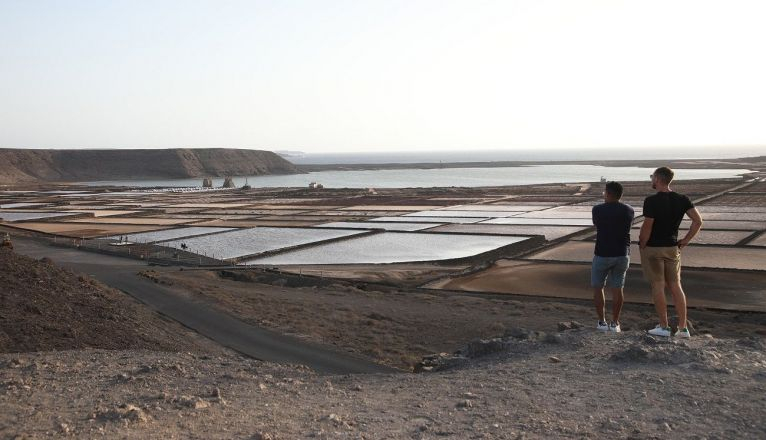
If you have time, you can also drive around the area to reach Las Salinas de Janubio to see the island's salt flats, full of colors and with the presence of numerous protected birds.
From Órzola - Mirador del Río
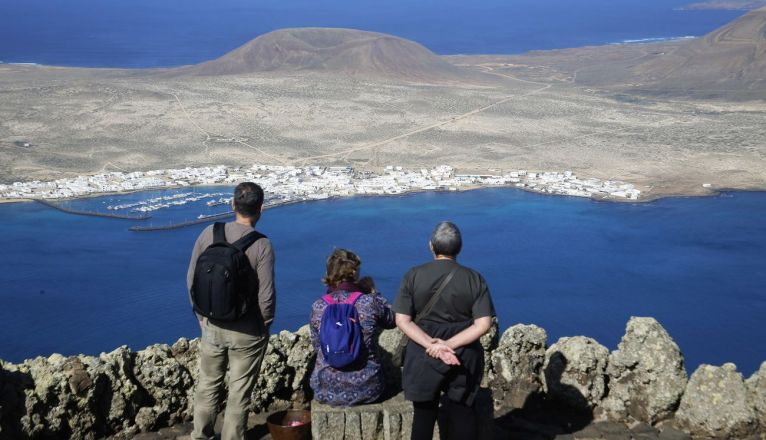
In the north of the island there are also routes, many of them with breathtaking views, such as the one that goes from the fishing village of Órzola to the Mirador del Río, a work by the Lanzarote artist César Manrique camouflaged in the Risco de Famara at more than 400 meters high.
After leaving Órzola, you will have to take the LZ-203 road passing through Las Hoyas until you reach a crossroads with the LZ-201, where you will have to turn right to continue towards the hermitage of Ye. There you will have unbeatable views of the La Corona Volcano and, if you continue along the road, you will reach the Mirador del Río.
In total, it takes about 20 minutes to cover the 10.6 kilometers of the route, although keep in mind that it is a steep climb and, in some cases, with the occasional winding road.
Mirador del Río - Caletón Blanco
This route is a good alternative way back from the Mirador del Río if you want to return to the northern part of the island. Furthermore, it will only take you about 25 minutes by car, which is about 18.5 kilometers and a large elevation change, up to 400 meters.
The route begins by descending through the village of Ye, along the LZ-201, until you reach the crossroads with the LZ-204. Once there, you will turn left, passing by the Cueva de los Verdes and in front of the Jameos del Agua, two of the most spectacular tourist attractions in Lanzarote.
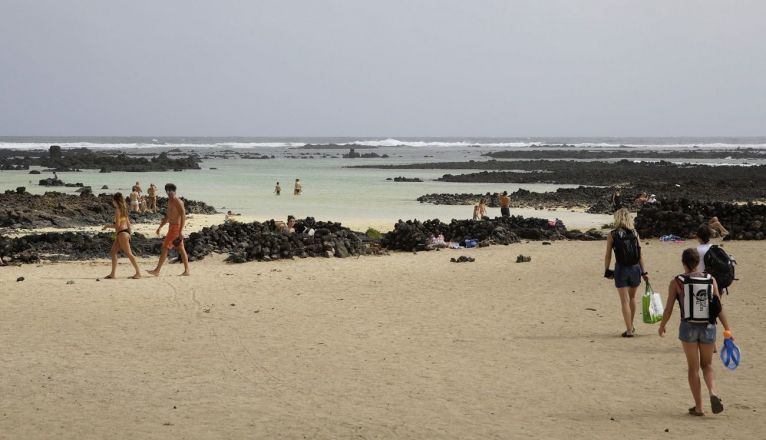
Then you will have to continue along the LZ-1 towards the north, passing through a mantle of very dark volcanic lava that contrasts with the blue of the sea, until you reach Caletón Blanco, the beach with the whitest sand on the island, a true paradise to spend the day.
La Villa de Teguise - Mirador de Haría
This route is ideal to do at sunset to take advantage of the views from its viewpoints, but also to observe a very curious silhouette at the last stop. It is a route of about 35 minutes on average that covers 17.2 kilometers.
It begins in the picturesque village of La Villa de Teguise, from where you will set off along the LZ-10 towards the Los Valles area, where you can taste typical Canarian food at its famous teleclub. Then continue towards the viewpoint of the hermitage of Las Nieves, with unbeatable views of the Risco and Famara beach, which if you visit in spring will look like a scene from Jurassic Park.
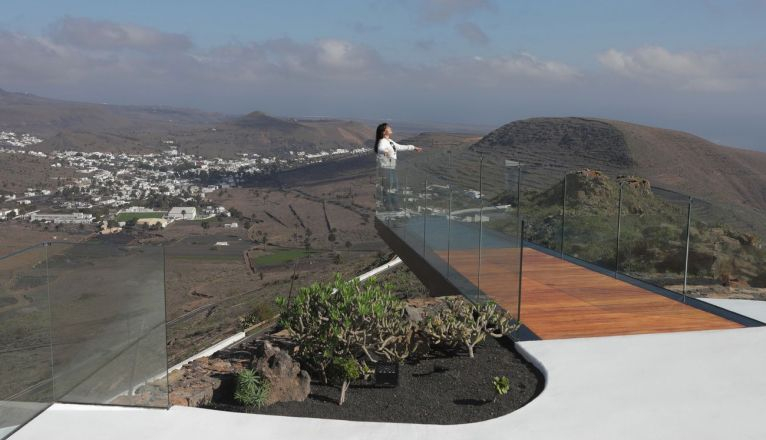
Then we continue the road until we reach another viewpoint, that of El Bosquecillo, although it is important to mention that here you have to take a secondary dirt road with the occasional pothole, so it is important to go slowly. Once there, you can lean out, always carefully, from its large balcony that looks towards El Risco, or towards the opposite side, with the Chinijo Archipelago in the background.
The area also has a picnic area and a playground for the little ones. Once the visit is finished, we will return by the same dirt road until we join the main road. You should head to the left until you immediately find the Mirador de Haría.

Add La Voz de Lanzarote as a preferred Google source.
Stay informed with the latest current news.