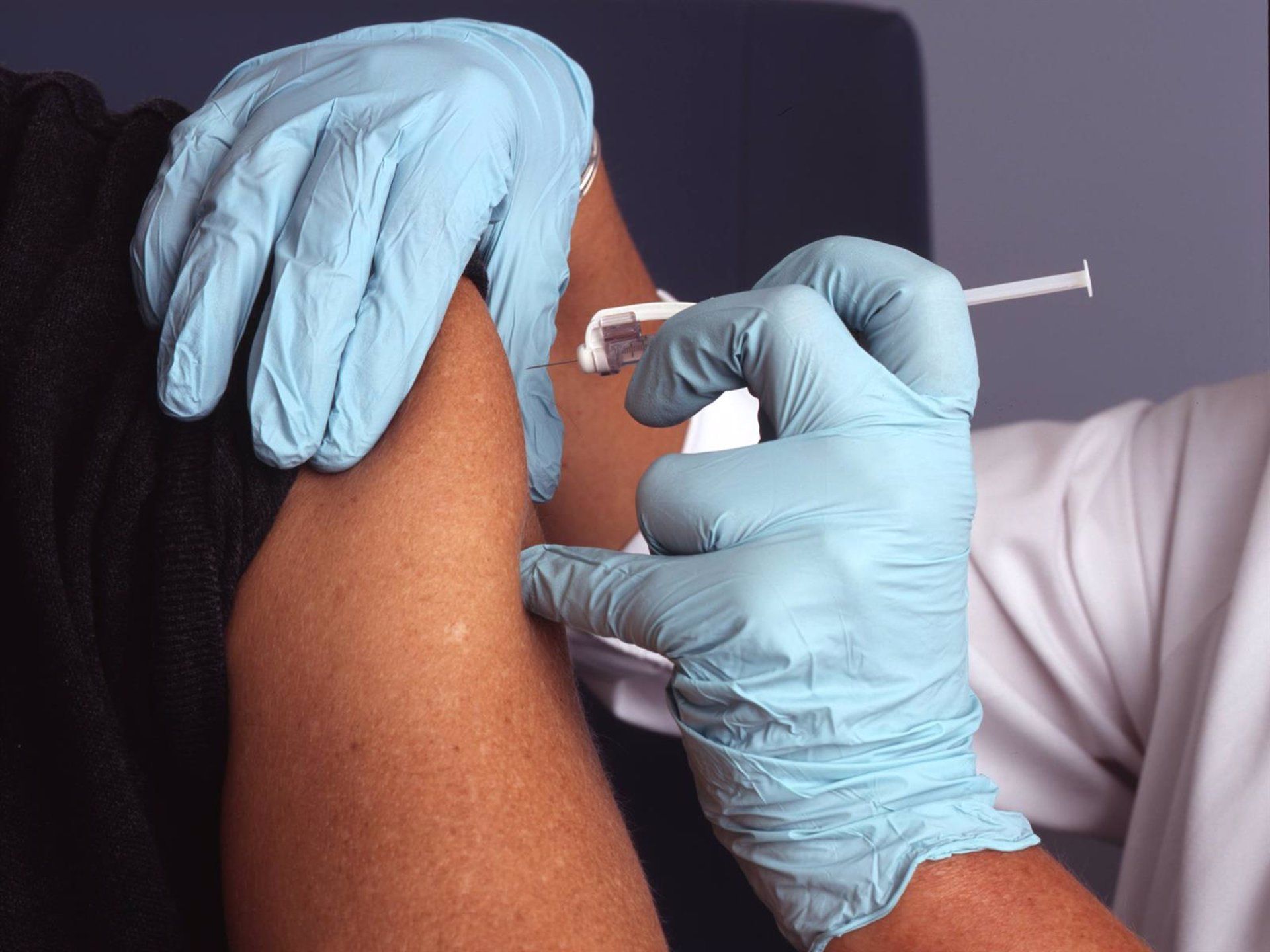
The Ministry of Health of the Government of the Canary Islands begins this Monday, October 5, the vaccination against influenza, covid-19, and respiratory syncytial virus (RSV) among the most vulnerable social groups and healthcare personnel. Thus, in this first phase, adults institutionalized in residential or disability care centers who meet the criteria established in the vaccination protocol will be immunized against influenza, covid-19, and RSV.
On the other hand, thanks to the collaboration between the Ministries of Health and Education, the immunization against influenza using an intranasal vaccine (not injected) for students aged three, four, and five years in public, state-subsidized, and private early childhood education centers in the Canary Islands begins this Monday.
The main objective of this vaccination is to prevent hospital admissions and deaths caused by this disease in people who are most vulnerable, as well as to protect essential services for the community, such as healthcare personnel.
Childhood vaccination against influenza
Following the success of the school vaccination campaign against influenza in previous seasons, which was highly valued by families, the educational community, and healthcare personnel, this year the pediatric population up to the day before their sixth birthday is maintained in the program, extending vaccination this year to private educational centers.
This measure in schools contributes to protecting the health of students and their families, facilitates work-life balance, reduces absenteeism from school and work for parents and guardians, decreases the unnecessary use of antibiotics, and creates safer environments for both students and teaching staff.
The objective is to reinforce general awareness about the importance of vaccinating children against this disease (hospitalizations in children under 6 years of age due to influenza are similar to those in people between 65 and 75 years of age) and to improve coverage rates year after year.
Immunization against RSV
The Directorate General of Public Health of the SCS has expanded protection against RSV to the most vulnerable adult population this year, a measure already incorporated into the new Immunization Calendar for all stages of life in the Autonomous Community of the Canary Islands.
RSV has been redefined in recent years as a virus with a high impact on the adult population, particularly in people living in nursing homes or those with certain underlying diseases.
Thus, immunization against RSV will be administered to people over seventy years of age residing in socio-sanitary centers, as well as to institutionalized people under that age with severe respiratory or cardiac diseases, coinciding with the period of greatest virus circulation, between October and March. It will also be offered to non-institutionalized people with hematological cancers and to recipients of lung or hematopoietic stem cell transplants, through hospital services.
On the other hand, since the 2023-2024 season, immunization against RSV is indicated for infants under 6 months of age on the date of the start of the virus circulation season, for all born during that period, and for some children under 24 months at very high risk of developing severe illness.
Vaccination to prevent severe cases of flu and covid-19
Since 2021-2022, vaccination against covid-19 was recommended along with that for influenza, but since the 2025-2026 season, recommendations are issued separately due to their differing indications. When both are indicated, it is preferable to administer them together. SARS-CoV-2 has not yet defined its seasonality, therefore, the vaccine is also offered outside of the season to those who should receive it.
Both vaccines can be administered together if indicated, respecting a minimum interval of three months from the last dose or confirmed covid-19 infection.
With the implementation of a vaccination strategy against this virus, the Directorate General of Public Health not only seeks to protect the individual health of the vaccinated person, but also launches a strategic intervention aimed at preserving healthcare resilience, mitigating the saturation of emergency services and the occupancy of acute hospitalization beds and intensive care units (ICU).
Unlike influenza, the covid-19 vaccine has not been shown to reduce transmission to third parties, therefore, vaccination of household members, caregivers of vulnerable people, and/or healthcare and socio-sanitary personnel is offered on an individual basis (as a self-protection measure).
From the Directorate General of Public Health, it is recalled that vaccines are the most effective means to avoid complications in those people who have a more vulnerable profile and significantly reduce the risk of hospitalization or death from flu or covid-19.



Add La Voz de Lanzarote as a preferred Google source.
Stay informed with the latest current news.