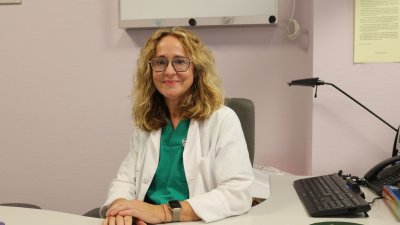
The Pain Unit of the Doctor José Molina Orosa University Hospital joins the commemoration of World Pain Day, which is celebrated this October 17 and this year focuses on neuropathic pain, a form of chronic pain that occurs when an injury or disease affects the nervous system responsible for transmitting and processing sensations.
On the occasion of this day, the service highlights the importance of a specialized and individualized approach to chronic pain and continues to reinforce its care activity and expand therapeutic options to improve patients' quality of life.
During 2025, the unit performed a total of 809 surgical interventions and attended 1,987 consultations. In the first nine months of 2026, it has carried out another 568 interventions and has registered 1,621 consultations, of which 560 were first consultations and 1,061 were follow-up consultations. This activity reflects the continued work of professionals to offer therapeutic alternatives adapted to the characteristics and needs of each patient.
Understanding pain to find the right treatment
Neuropathic pain can be related to different diseases and injuries. Among its causes are diabetes, which can cause nerve damage, nerve injuries, or the persistence of pain after a shingles infection.
Its manifestations are varied and can include burning, tingling, pricking, or sensations similar to electric shocks. In some cases, even a stimulus that would normally not be painful can cause intense discomfort. These symptoms can affect rest, mobility, and the ability to perform daily activities.
The specialist in Anesthesiology of the Pain unit of Molina Orosa, María del Mar Domínguez, recently elected secretary of the Spanish Pain Society, highlights the importance of identifying the characteristics of each case to guide treatment.
“Not all pains are the same nor do they respond to the same treatments. It is essential to know how the pain manifests, identify its possible origin, and assess which alternatives can help each patient,” she explains.
Clinical assessment takes into account the location of the pain, its characteristics, the factors that trigger it, and possible sensory alterations. It also considers how it affects the person's daily life and what goals can be set with the treatment.
Advanced treatments for complex pain
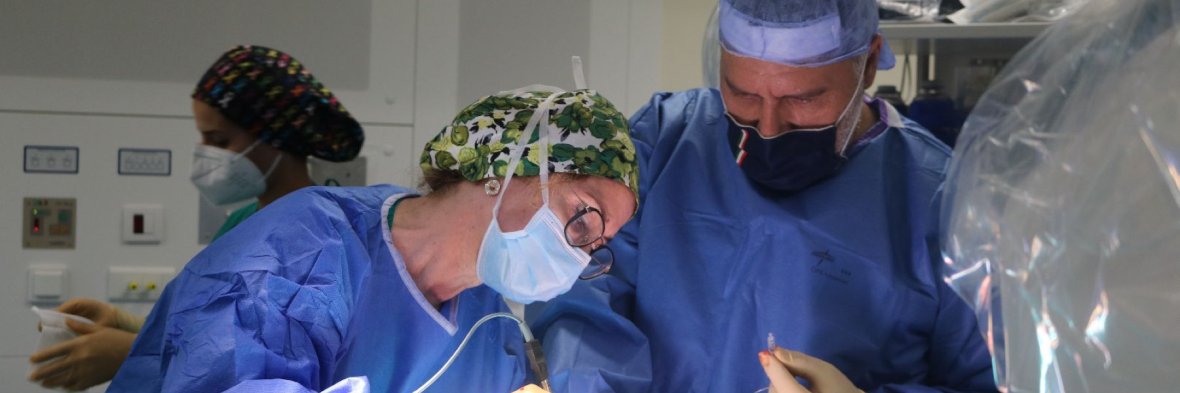
The Pain Unit has extensive experience in managing neuropathic pain and other types of chronic pain. Its expertise allows it to offer a wide range of therapeutic alternatives, from pharmacological treatments to advanced medical and interventional techniques, adapted to the needs of each patient, especially in the most complex cases.
This unit was a pioneer in the Canary Islands in the incorporation of the capsaicin patch into hospital pharmacy, facilitating patient access to this treatment option. It also offers various advanced interventional procedures, including techniques for the release of epidural adhesions, new radiofrequency cannulas that allow for greater lesion extension, and disc implants for certain cases of neuropathic radicular pain.
The unit also offers different modalities of spinal cord neuromodulation, including the most recent closed-loop systems, which incorporate advanced technology to adjust stimulation. Continuous updating of these techniques allows for the expansion of therapeutic options and progress towards increasingly personalized care.
Improving quality of life, beyond pain relief
The goal of the Pain Unit is not limited to reducing the intensity of discomfort, but rather to reduce its impact on patients' lives. Resting better, regaining mobility, carrying out usual activities, or improving autonomy are important aspects when evaluating the evolution and results of the treatment.
"Our work consists of finding the best alternative for each patient and reducing, as much as possible, the impact that pain has on their life. Although we cannot always eliminate it completely, there are treatments that can help improve autonomy and quality of life," points out specialist María del Mar Domínguez.
On the occasion of World Pain Day, professionals recall the importance of consulting when pain persists, limits usual activities, or does not improve with initial measures. An adequate assessment allows for the identification of its possible causes and the guidance of the most appropriate treatment for each person.



Add La Voz de Lanzarote as a preferred Google source.
Stay informed with the latest current news.