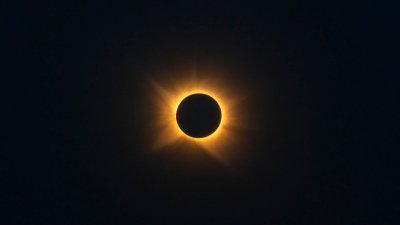
The total solar eclipse of August 12 left a net economic impact of 347.6 million euros in Spain and attracted around 450,000 additional tourists, according to initial estimates from the Ministry of Economy, Commerce and Business.
This historic astronomical phenomenon, the first total eclipse visible from the Iberian peninsula in more than a century, further turned the country into the epicenter of international tourism.
Of the total economic impact recorded, approximately 70% (247.3 million euros) came from the spending of international visitors, who averaged an expenditure of around 1,500 euros per person. National tourism contributed the remaining 94.9 million.
The phenomenon significantly boosted seasonal hiring, with the estimated creation of more than 7,000 jobs, direct and indirect, in sectors such as hospitality, astronomical guide services, and rural transport.
Although high occupancy is common in coastal areas during August, the greatest relative impact of the eclipse was felt in the peninsular interior and in small rural municipalities located in the path of totality (such as Soria, Teruel, Burgos, or León).
In the provinces where the eclipse was visible in its totality, the spending by foreign tourists grew by 25.7% year-on-year during that week, according to data from the BBVA research center. This increase was 13.6 percentage points higher than that recorded in the previous week and 18.5 points higher than that of two weeks prior.
Soria stands out particularly among the provinces analyzed, as it registered the highest growth in payments, with an increase of 220.1% compared to the same week in 2025. Following it were La Rioja, with 106.2%; Asturias, with 88.7%; Segovia, with 83.1%; Teruel, with 79%; León, with 78.3%; and Zaragoza, with 77.6%.
In these areas, demand for rural accommodations, campsites, and camper vans soared, with reservations increasing by up to 400% compared to the same period last year.
Add La Voz de Lanzarote as a preferred Google source.
Stay informed with the latest current news.