The Ministry of Tourism of the Government of the Canary Islands published this Wednesday morning the draft of the Vacation Housing Law, which will be in the public exhibition phase until next May.
As of March 25, 2024, the island of Lanzarote already had 7,577 tourist homes and 33,743 places. This makes it the second Canary Island with the highest percentage of accommodation places for vacation rentals: 21.22%.
Firstly, this law includes the distinction between the residential use of homes, characterized by those buildings intended for the "stable and permanent" accommodation of people, as well as tourist or vacation use, which are those that are marketed as temporary accommodation for tourist reasons.
The Government of the Canary Islands reflects that "the transfer" of residential homes to tourist homes has been done "on the sidelines, if not against, urban and territorial planning." Thus, the growth of tourist housing is "one of the causes of the decrease in the potential market for permanent and habitual housing", although it is not the only cause.
At the regional level, within a year, between November 2022 and the same month of 2023, the supply of these accommodations increased by 25.7%. The increase in housing for tourist use adds to the lack of construction since the 2008 crisis and the growth of the population.
The "substandard housing"
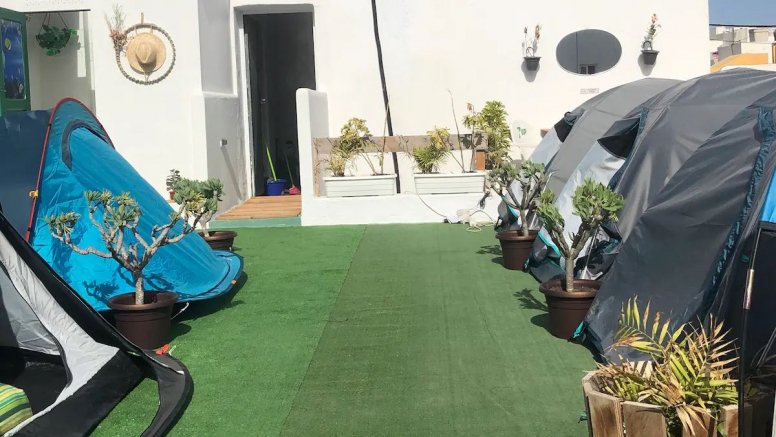
Following the different publications in the press denouncing vacation advertisements in tents, vehicles or cabins, the regional Executive has entered to define the concept of substandard housing to prohibit its lodging use.
The draft Law includes the term "substandard housing" and includes all those properties that do not "meet the minimum conditions", such as the requirements of surface area, number, size and characteristics of the habitable rooms, those that have "serious deficiencies" in their equipment and facilities and those that do not comply with safety, accessibility and habitability.
Among them, "maritime containers, self-built cabins with wood, sheet metal or similar materials, tents or similar located outside the areas specifically enabled as roofs, garages, common areas of buildings, public domain, etc., as well as unauthorized vehicles" and any other similar device.
Add La Voz de Lanzarote as a preferred Google source.
Stay informed with the latest current news.