
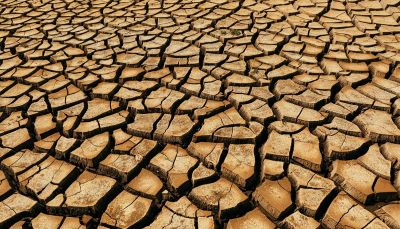
Faced with the water scarcity caused by climate change, nine out of ten citizens of the Canary Islands (87.5%) consider it necessary to apply measures for greater water use, from the collection of water from rain to the treatment of wastewater.
This is clear from the first AXA Foundation study of citizen perception on climate change in the Canary Islands, prepared in collaboration with Sigma Dos, which analyzes the knowledge, concern, perceived risk, responsibilities, measures and behavior of Canarian society in the face of this phenomenon.
The negative effects of climate change are, without a doubt, alarming. Thus, 85% of Canarians believe that a climate crisis is occurring, and more than eight out of ten (84.1%) believe that it has worsened in recent years, a concern more present among respondents over 65 years of age.
However, only 56% of people consider themselves to have an average level of knowledge about this problem and only 25% would describe it as high, with a greater tendency to learn about this issue among the younger generations.
Extreme meteorological phenomena such as hurricanes, fires and heat waves are the main consequences, followed by the melting of the poles, the danger to biodiversity or the scarcity of basic resources, such as water or food from the countryside.
Faced with this problem, 79.5% of the Canarian population blames human action, highlighting industrial activity such as the burning of fossil fuels and the generation of waste as the main causes, closely followed by deforestation and pollution derived from transport.
Respiratory diseases and heatstroke, the great concerns of Canarians
In the Canary Islands, the average level of concern about climate change is 7.8 (on a scale of 0 to 10), slightly higher than the national average (7.6).
This concern is especially relevant if one takes into account that 78.8% of those surveyed consider it a threat to their health, while 76.2% believe that this problem may have serious consequences on their diet, two fundamental aspects for leading a healthy life.
Specifically, the impact of climate change on the worsening of respiratory diseases or the increase in health problems derived from heat waves are the aspects that most concern the Canarian population. These pathologies are followed by the fear of suffering injuries or even dying due to extreme weather situations. However, despite this fear, 32.7% of Canarians do not have insurance to protect their homes, mainly due to lack of resources.
In addition to greater water use, those surveyed advocate promoting reforestation and the use of biofertilizers, betting on research and new technologies, increasing green areas and promoting the circular economy and responsible consumption.
According to the conclusions of the survey, international organizations (81.8%), the European Union (80.4%) and the Government of Spain (78.6%) must lead the fight against climate change, taking a more active role with programs and initiatives that address this problem in a transversal way.
The climate crisis requires a change of habits, but not all people are willing to assume that commitment. Thus, 60.8% of Canarians believe it is necessary to reduce the level of comfort of people for the benefit of the environment, a behavior more common among those over 65 years of age (70.7%) than among those under 30 years of age (41.2%).


