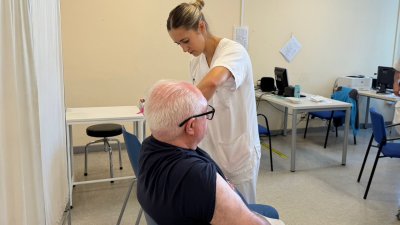
The Pneumology unit of the Doctor José Molina Orosa University Hospital, attached to the Ministry of Health of the Government of the Canary Islands, joins the World Pneumonia Day, which is commemorated every November 12, and recalls the importance of preventive measures such as vaccination, especially in risk groups, complying with the vaccination schedule in children, knowing its main symptoms and consulting health professionals at the first signs of alert.
Pneumonia is an infection that affects the lungs and can compromise respiratory capacity, especially when it occurs in the elderly or those with chronic illnesses, in whom it may even require admission to the Intensive Care Unit due to its severity.
It is a common disease that can be caused by different microorganisms, mainly bacteria and viruses. Among the most frequent infectious agents are pneumococcus and the influenza and COVID-19 viruses. Although pneumonia as such is not always contagious, some of the microorganisms that cause it can be transmitted through respiratory secretions when coughing or sneezing.
Although it can affect people of any age, there are certain groups that have a higher risk of developing pneumonia or suffering complications. These include people over 65 years of age, children under five years of age, smokers, patients with chronic illnesses, and those with weakened immune systems.
More than 150 Hospitalizations per year
In the healthcare setting, this respiratory infection is among the reasons for hospital admission. The Molina Orosa registered a total of 177 hospital discharges of patients diagnosed with pneumonia during 2025.
So far in 2026, and up to last October, 156 discharges have been recorded for this same reason, data that reinforce the importance of prevention, especially among people at higher risk of developing complications.
Recognize the symptoms and go to the health center
The early identification of symptoms, specialists point out, is fundamental to facilitate diagnosis and begin appropriate treatment. Among the most common manifestations are fever, chills, cough, which may be accompanied by expectoration, pain in the side or chest, and difficulty breathing. Intense fatigue, increased respiratory rate, and palpitations may also appear.
From the Pulmonology unit, it is recommended to consult with healthcare professionals when symptoms compatible with pneumonia appear, especially if they affect people belonging to risk groups. Severe difficulty breathing, significant chest pain, very high and persistent fever, confusion, or a marked worsening of the general condition are signs that require urgent evaluation.
Diagnosis is made through clinical evaluation of the patient and, when indicated, complementary tests such as chest X-rays. Treatment will depend on the cause of the infection and the severity of the condition. In cases of bacterial origin, antibiotics may be necessary, while some patients require hospitalization to receive oxygen and other specific care.
Vaccination and healthy habits, keys to prevention
The cold winter climate favors infections of this type, which is why specialists at Molina Orosa recall the importance of keeping vaccinations against pneumococcus, influenza, and COVID-19 up to date, according to health recommendations and the characteristics of each person. Vaccination, they assure, is the most effective way to avoid or reduce the risk of certain pneumonias and their complications.
Along with vaccination, other measures that contribute to protecting respiratory health include avoiding smoking, maintaining a balanced diet, engaging in physical activity, practicing hand hygiene, and covering the mouth and nose when coughing or sneezing, habits that help reduce the risk of respiratory infections and their transmission.
Likewise, specialists advise taking extreme precautions when living with or having contact with particularly vulnerable people, avoiding exposing them to respiratory infections.



Add La Voz de Lanzarote as a preferred Google source.
Stay informed with the latest current news.