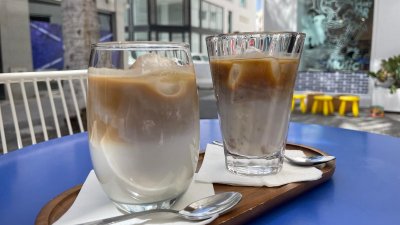
Spaniards are among the top 10 countries that consumed the most coffee in the year 2025. Likewise, it is estimated that 6 out of 10 Spaniards drink coffee every day, about 67 million cups per day in total. However, having a cup of coffee has ceased to be a quick five-minute experience solely to face the morning. The generational change, which brings with it personal care and a need for quality and knowledge of origin, has increased the number of new specialty coffee shops.
The current consumer is not just looking for caffeine; coffee has become a search for experience and sociability. This new type of coffee shop has a specific concept and aesthetic, mostly minimalist, which creates a type of community. Customers who frequent this type of space appreciate both the product and the environment in which they find themselves, a neutral space between work and home.
For Eder González Medina, from the specialty coffee shop Sirocco, it is "a meeting point," something beyond having a simple cup of coffee; it is mostly about a level of understanding comparable to the wine market: some go for tastings, some seek quality, and some simply want to have a glass of wine.
Customers looking for a cold brew or a filter coffee position themselves at a certain level of knowledge found in these specific coffee shops. The increase in people seeking these types of coffees will not eliminate traditional coffee shops; González states that not everyone is attracted to this product and they "will coexist without any problem."
Specialty coffee is that which has been chosen with a specific origin and has specific care that brings quality to the product, where, for example, the need for sugar is nil without having to drink a bitter coffee due to the roast not being burnt. Furthermore, paying more for a coffee is about giving value to the product, a fair price in relation to quality-price for the producer, promoting sustainable agricultural practices.
Although the most frequent customer niche is young people, it is not an exclusive space for those ages. González states that they are "open places" for those "willing to try a higher-level product." Likewise, the barista not only gives you the product; the explanation of each coffee and the service provided increases the desire for knowledge of the different origins, as well as the different types.
The creation of identity plays a fundamental role in these cafes, mostly increasing the need and feeling of belonging. For Eder, his clients "also create part of their identity when ordering a product", there are products that have a specific audience as happens with matcha tea or cold brew, although González does not believe "that it is a status symbol", he does consider that "they are situated in a niche of people".
The new market for specialty coffee shops goes beyond caffeine, it is about experience, personal care, and community creation in which the value of the product is understood. You don't just pay for the cup of coffee, you pay for the experience and the handling of the bean. Current consumers are more informed and more health-conscious, therefore, it is no longer just about the quality of the coffee, a sweet aroma without burning the bean, but also that the food products offered by specialty coffee shops tend to be healthier than those in traditional neighborhood cafes.



Add La Voz de Lanzarote as a preferred Google source.
Stay informed with the latest current news.