Accessing housing continues to represent a significant economic effort for Spanish families. According to a study by idealista with data from the first quarter of 2026, rent absorbs an average of 35% of a family's net income, while buying requires 25%, without considering the prior savings needed to obtain financing.
The lack of supply and rising prices keep effort levels high for both renting and buying, placing several provinces above the limits that experts consider advisable.
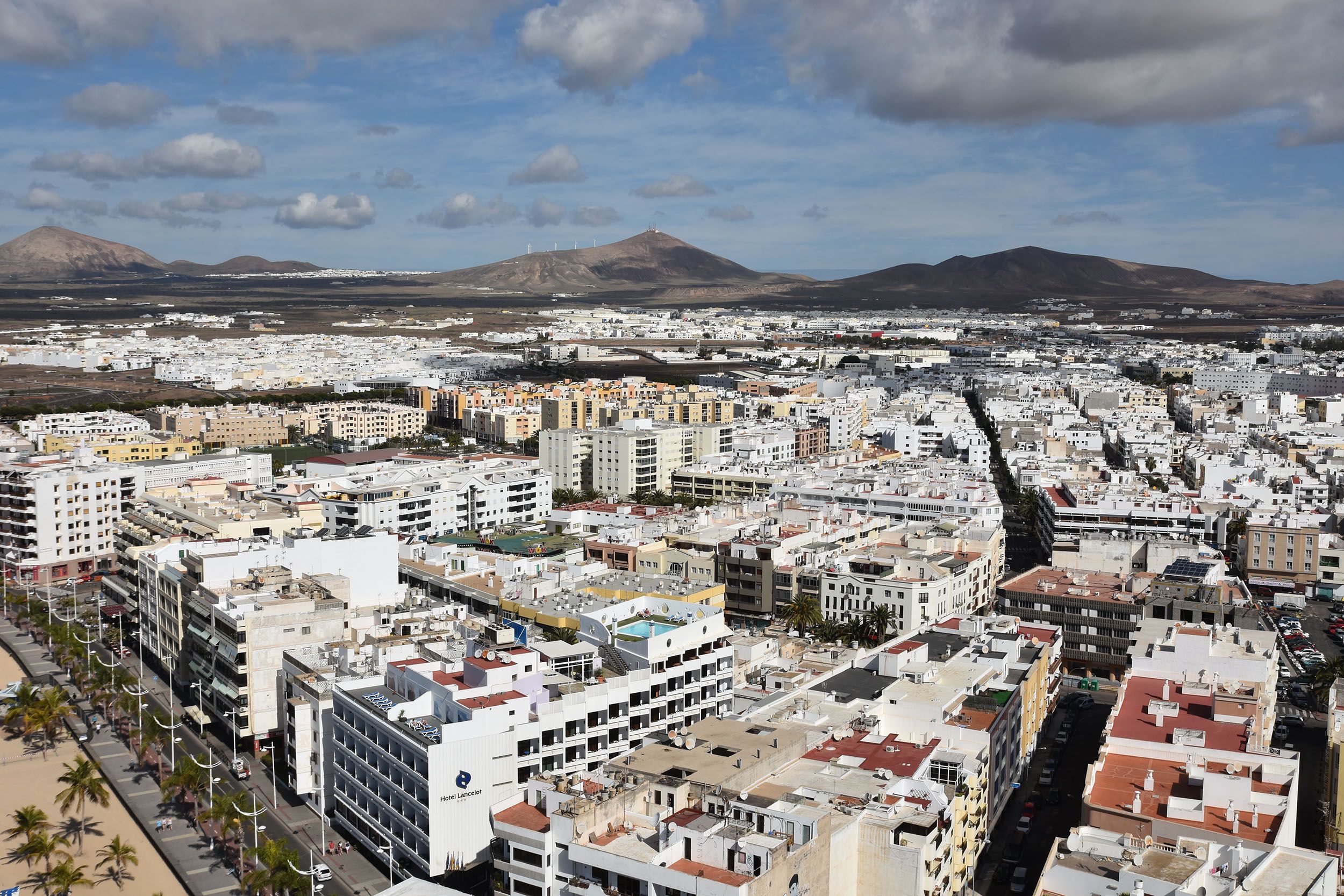
The Canary Islands provinces are among the areas in Spain where renting a home requires a greater economic effort. Santa Cruz de Tenerife dedicates 36% of family income to rent, while Las Palmas reaches 35%, both percentages above the national average and the 30% threshold recommended by specialists.
However, the most demanding province for tenants is Málaga, where rent consumes 49% of family income. It is followed by the Balearic Islands (45%), Barcelona (38%), Madrid (37%), and Valencia (37%).
At the opposite extreme are Teruel (19%), Palencia and Lugo (20%), as well as León, Huesca, Jaén, Ciudad Real, A Coruña, Lleida, and Soria, all with a rate of 21%.
Among the provincial capitals, Barcelona leads the effort to rent with 41% of family income, followed by Palma (40%) and Málaga (39%). Conversely, Jaén, Ciudad Real, Melilla, and Huesca are the cities where rent has the least impact on the domestic economy, with an effort of 19%.
Buying a home also requires a high effort in the Canary Islands
The situation is repeated in the sales market. Santa Cruz de Tenerife registers an effort rate of 34%, making it the third Spanish province where families must dedicate the most income to acquire a home. For its part, Las Palmas reaches 26%.
Only the Balearic Islands and Málaga show higher levels, with 43% in both cases. After them come Alicante (29%) and Madrid (26%). Barcelona, on the other hand, is clearly below these values, with a provincial rate of 18%.
The most affordable provinces to buy a home are Ciudad Real, Cuenca, and Teruel, where the required effort is limited to 10% of family income. Palencia, Jaén, Burgos, and Ourense also stand out, all with 11%.
Regarding the capitals, Palma heads the national ranking of effort to buy housing, requiring 43% of family income. Malaga and San Sebastian share second place with 35%, while Madrid reaches 32%. On the opposite side, Lleida, Melilla, and Huesca are the cities where buying is most accessible, with a rate of 12%.
The data reflect that the Canary Islands remain among the territories where access to housing generates greater pressure on household economies, both for rent and purchase, recurrently ranking among the provinces with the highest levels of effort in the country.

Add La Voz de Lanzarote as a preferred Google source.
Stay informed with the latest current news.