The Canary Islands Science and Innovation Weeks (SCIC26), promoted by the Ministry of Universities, Science and Innovation and Culture of the Government of the Canary Islands through the Canary Agency for Research, Innovation and Information Society (ACIISI), begin their twenty-second edition next week with a broad program of about fifty free activities distributed throughout the archipelago.
With the collaboration of more than 30 entities from the Canary R&D&I ecosystem —research centers, universities, museums, technology parks, and associations—, the SCIC26 will offer multidisciplinary proposals throughout November designed to bring scientific knowledge closer to citizens, promote a culture of innovation, and awaken early vocations in the islands' students.
The program, predominantly in-person and complemented by online and regional activities, has notable highlights on each of the islands.
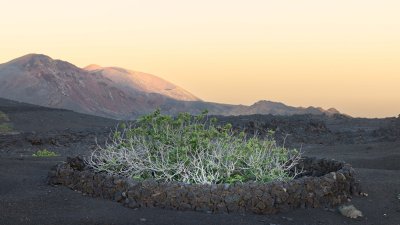
In Lanzarote, highlights include the initiative ‘Meet the Scientists of Timanfaya’ at the Mancha Blanca Visitor Center (Yaiza), ‘Margarita Salas and DNA’, by Laberinto Narrativo, the latter also in La Graciosa, and outreach workshops in schools.
La Palma, for example, focuses its in-person proposal on the study and dissemination of water resources with the GENESIS program: The groundwater of La Palma in subsidized educational centers. And it also looks to the sky with Astronorte, to unravel the mysteries of the universe, through outreach workshops for schoolchildren.
Gran Canaria hosts an intense agenda that includes everything from the ÍNSULA outreach festival at the Gabinete Literario, to visits to the Canary Islands Oceanic Platform (PLOCAN) (Ocean Mission) and the Canary Islands Technology Institute (ITC) in Pozo Izquierdo (Biogreenfinery and water resources), as well as workshops on history at El Museo Canario and conferences on outreach and astronomy in Gáldar.
El Hierro focuses its in-person actions on the natural value of the territory through guided tours and open days at Finca Las Cancelitas, promoting science linked to the Geopark and the Biosphere Reserve.
In Fuerteventura, the SCIC26 offers activities at the Betancuria Archaeological Museum (Archaeology of Plants), guided tours of the Fuerteventura Technology Park, and the Regional Forum ‘The New Ecosystem of Fuerteventura — Building the Innovation Roadmap 2027–2030’.
Tenerife has diverse proposals, among which stand out visits to the headquarters and facilities of the Institute of Astrophysics of the Canary Islands (IAC) and IACTEC, the XXIII Science Fair of La Orotava (November 8), the conferences on agrodata and 'heat island' at ITER, artificial intelligence workshops such as 'Work better with AI' in Santa Cruz de Tenerife, and the MUCAT 2026 exhibition in Granadilla de Abona.
La Gomera and La Graciosa will be integrated into the regional training and dissemination circuit through the different actions of the CODECAN program.
Special mention is given to ‘Encounters with Chemistry 2026: Applied Science for an Informed Society’, a cycle of ten events distributed across the islands on current issues of interest for each territory, with specialists from different disciplines, and which will combine an educational intervention with a subsequent space for conversation and public participation, fostering dialogue between the public and professionals.
Along with on-site activities, the program includes cross-cutting workshops such as the Canary Science Law Workshop (held in centers in Gran Canaria, Tenerife, and Lanzarote) and training in digital and technological skills of the CODECAN program through mixed and online workshops.
Science without barriers: learning from any screen
The SCIC26 deploy a virtual space designed to break any geographical boundaries and bring dissemination directly to our homes or classrooms. The online aspect is packed with interactive experiences: from learning to operate robotic telescopes (IAC) to scan the depths of the universe, to becoming animal and environmental medicine professionals for a day with the "One Health" talks organized by the IUSA of the ULPGC.
To all this is added the practical aspect of the CODECAN program, with sessions aimed at equipping citizens with the key digital tools and skills to navigate the current technological environment.
Detailed information on each activity, schedules, and the seat reservation form are available on the agenda of the official ACIISI website.

Add La Voz de Lanzarote as a preferred Google source.
Stay informed with the latest current news.