
The president of the Cabildo of Lanzarote, Oswaldo Betancort, participated this Monday in a meeting with the Minister of Agriculture, Livestock, Fisheries and Food Sovereignty of the Government of the Canary Islands, Narvay Quintero, and with the island heads of Agriculture of all the Canary Islands councils to address the detection of several outbreaks of phylloxera of the vine (Daktulosphaira Vitifoliae) in the Canary Islands.
For the first time in history, this plague has been located in the archipelago, specifically in the region of Tacoronte-Acentejo on the island of Tenerife, putting at risk the 3,200 hectares of vineyards in Tenerife. Its entry into Europe in the 19th century caused the massive devastation of the vineyards, with consequences that lasted for more than three decades.
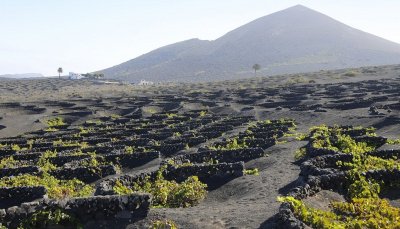
Although no case has been detected in Lanzarote, Betancort has expressed his concern and emphasizes that "all necessary measures are being taken to protect our vineyard, a unique heritage in the world that is part of our identity and economy." In this sense, he will make a call to winemakers, winegrowers and the general population not to introduce vines or plant material from other islands or territories, and to be alert to any suspicious symptoms.
During the meeting, Minister Narvay Quintero reported that a order is being processed to prohibit the movement of plant material in order to prevent the spread of the plague, and that joint protocols have already been activated between the Government of the Canary Islands and the Cabildos. The measures also include the elimination of affected plants and roots after disinfection, the delimitation of surveillance zones, intensive surveys in commercial and non-commercial farms, and the organization of informative meetings with the sector.
From the Chair of Agrotourism and Wine Tourism of the Canary Islands, a technical guide has been prepared with images and descriptions so that winegrowers and technicians can recognize the symptoms of phylloxera in leaves and roots. This document, available on the website of the Ministry of Agriculture, is a fundamental tool for early detection.
It should be noted that phylloxera does not affect the quality of the grape, but it does attack the roots of the vine, causing the death of the plant in a few years. Once it is established in the soil, it is impossible to eradicate it, so the only long-term solution is reconversion by grafting local varieties onto resistant American patterns.
Oswaldo Betancort recalled that "prevention is the only effective barrier" and asked for the collaboration of the entire wine sector "to protect not only wine production, but also the landscape, varietal diversity and the growing wine tourism activity that generates employment and economy on our island."


