Canarias coordinates a project that will create a system for monitoring and conserving the flora and fauna of Macaronesia through the use of genetic data.
This scientific tool will allow for anticipation of shared threats in Macaronesia such as climate change or the expansion of invasive alien species, details the Ministry of Ecological Transition and Energy in a statement.
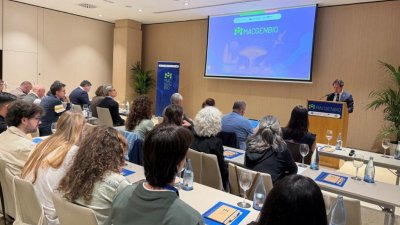
The first coordination meeting of the MACGENBIO project, funded by European funds, is being held from this Tuesday in Tenerife and Gran Canaria with coordination meetings and technical visits to research centers.
Entities from Canary Islands, Madeira, Azores, Cape Verde, Sao Tome and Principe, and Senegal are participating in these meetings.
During the opening of the meeting, the Director General of Environmental Quality, Ángel Montañés, spoke of "a qualitative leap" with the creation of the first reference molecular library for an island region, putting genetic data at the service of "real management" of protected areas.
"Talking about ecological transition is also talking about biodiversity; we need reliable scientific information to make better decisions and protect the ecosystems that make us more resilient," Montañés argued.
Finally, he valued that these meetings will allow for the establishment of the first lines of coordination between public administrations, universities, and research centers, as well as sharing protocols and knowing the scientific capabilities available in the Canary Islands for the conservation of natural heritage.
To achieve these objectives, MACGENBIO establishes a system of joint work between public administrations, universities, and research centers from Canary Islands, Madeira, Azores, Cape Verde, Sao Tome and Principe, and Senegal.
Biodiversity banks in Madeira and Cape Verde
Among its main technical actions, the project plans to create biodiversity banks in Madeira and Cape Verde and update existing infrastructures in the Azores and the Canary Islands.
These resources will allow for the conservation of biological samples and the cataloging of species, making this knowledge available to those responsible for territorial planning.
The initiative will pay special attention to training and capacity building with African partners, always respecting the sustainable use of genetic resources and the fair and equitable sharing of benefits derived from them, in accordance with the Nagoya Protocol.

Add La Voz de Lanzarote as a preferred Google source.
Stay informed with the latest current news.