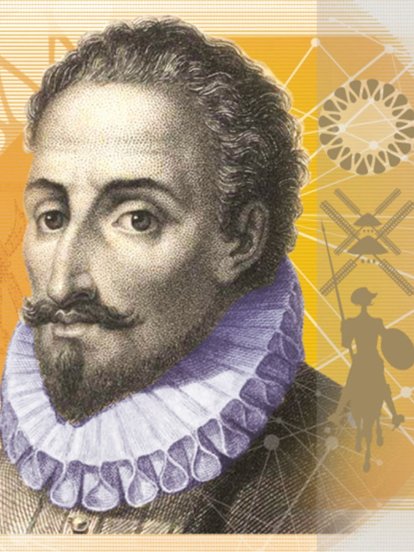
The euro banknotes with which we pay daily have their days numbered in their current format. The European Central Bank (ECB) has launched a renewal process to transform the appearance of euro banknotes and has opened the microphones to the public through a public consultation on its web portal.
Europeans have until September 21 to rate the different visual options, although the financial institution itself has already warned that the result of the votes will not be strictly binding for the final decision. Discover all the designs before starting the survey.
Behind this catalog of alternatives is a multitudinous graphic competition that started at a continental level with the involvement of more than 1,200 designers. After an initial shortlist of 25 creatives, a panel of independent experts finally selected the ten finalist mock-ups.
The president of the institution, Christine Lagarde, justified citizen participation in this process: "Throughout the process, we wanted to ensure that the voices of Europeans were heard, because if we print the banknotes, the banknotes are yours."
Illustrious portraits and natural wealth
The finalist selection is divided equally into two main conceptual currents: five focused on European cultural heritage and as many on the fauna of rivers and birds of the old continent.
On the one hand, the initiative seeks to highlight common heritage and identity. If this option goes ahead, the faces of the banknotes will feature the effigies of figures of the stature of Maria Callas, Ludwig van Beethoven, Marie Curie, Miguel de Cervantes, Leonardo da Vinci, and Bertha von Suttner. The reverse would complete the composition with images of leisure and coexistence activities that aim to project the values of inclusion and dialogue among the peoples of Europe.
The second trend opts to illustrate the obverse with species of birds and images of European rivers, reserving the reverse for the architecture of the main community bodies, such as the European Parliament, the ECB headquarters building, the European Commission, the Court of Justice, the Court of Auditors, and the Council of the EU.
How to participate and what the change aims to achieve
Any EU citizen can fill out the survey on the official ECB website to express their preferences. The information gathered will guide the Governing Council, which plans to make the final decision at the end of this year, combining public opinion, the technical report, and the jury's assessment.
Beyond the aesthetic impact, this comprehensive remodeling —the first significant one since the euro entered circulation in 2002— responds to operational and accessibility reasons. In the words of Piero Cipollone, a member of the ECB's Executive Board:
"The redesign of the euro banknotes is part of a long-term effort by the Eurosystem to ensure that cash remains a safe, efficient, and accessible means of payment, preserving citizens' access to public money and their freedom to choose how to pay."
The new monetary series will incorporate state-of-the-art technological elements to protect cash against potential counterfeiting, facilitate quick verification of its authenticity, and integrate raised features and textures adapted for visually impaired people. After the winning design is chosen, an operational testing phase will begin, so the specific date on which these banknotes will reach the public has not yet been specified.



Add La Voz de Lanzarote as a preferred Google source.
Stay informed with the latest current news.