Unidas Sí Podemos has among its priorities the "public transport revolution" of the island and has put on the table different measures to achieve an "island bus service
efficient, comfortable, fast and free", informs the party.
For the formation, good service and efficiency are not compatible with management by a "private company that only seeks economic benefit", they comment. A consequence of this, in the eyes of the left-wing confluence, are "the great deficiencies in terms of cleaning and maintenance suffered by the buses, the continuous delays and the poor working conditions that the staff has denounced on several occasions".
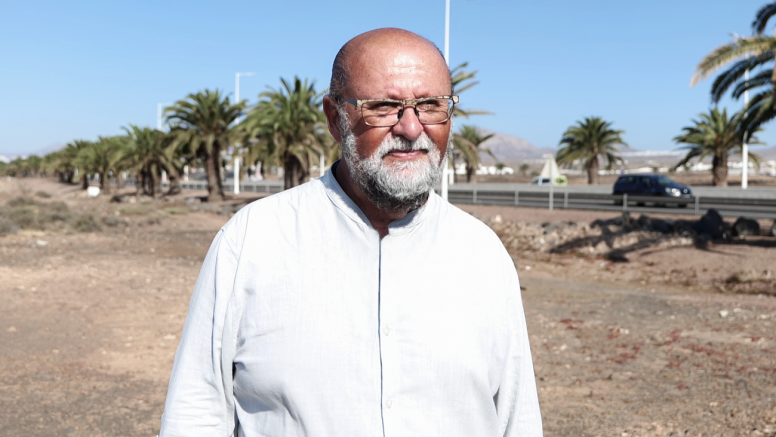
"Only direct, rigorous and technical public management can solve the poor service that is currently provided," declared Nicolás Saavedra, candidate to preside over the Cabildo
Insular of Unidas Sí Podemos.
But Unidas Sí Podemos goes further and proposes more measures to ensure that public and sustainable transport is "the first mobility option on the island", confirms the party. To this end, it is committed to launching "a multimodal system of a single free access platform, or what is the same, to combine in the same public system the rental of bicycles, the taxi service and the island and municipal buses", he points out.
"The intention is that the user only has to worry about installing an application on the mobile where they can put the route they need to take and there the different options will appear, the necessary transfers, the time to invest and the price in the case of the taxi," clarifies the candidate.
"Offer sustainable, reliable and comfortable collective transport"
The confluence assures that "offering sustainable, reliable and comfortable collective transport is the only way to end traffic jams, high levels of CO2 and dependence on fossil fuels in the long term." It is also "an economic relief measure for families, since they can save hundreds of euros a year in fuel and maintenance for their private vehicles," he concludes.
Add La Voz de Lanzarote as a preferred Google source.
Stay informed with the latest current news.