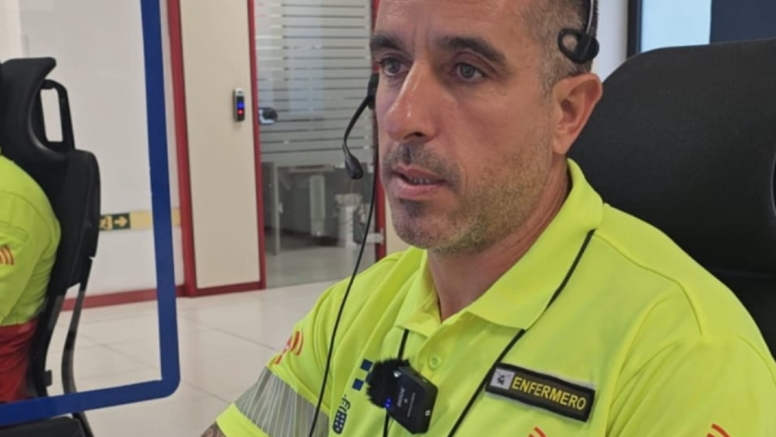
The Canary Emergency Service (SUC), dependent on the Ministry of Health of the Government of the Canary Islands, advises paying attention and acting immediately to skin reactions to jellyfish stings in the sea before the situation worsens.
In these cases, the SUC recommends getting out of the water immediately, washing the wound with seawater, not fresh water, and avoiding rubbing the affected area with a towel without sand residue. If parts of the jellyfish remain on the skin, it is advisable not to remove them with your hands, but with tweezers, and to go to the nearest health service to be assessed by a professional.
However, sometimes jellyfish or insect stings can cause other types of adverse reactions whose more serious signs can vary between difficulty breathing, intense dizziness, a feeling of swelling of the tongue, swelling of the lips, eyelids, or throat, and will be more or less acute if the person is allergic.
In the event of any of these symptoms, health professionals from the Canary Emergency Service insist that you must act quickly, ask for help, and describe to the doctor or coordinating nurse present in the emergency rooms the person's condition and the symptoms they are experiencing so that they can assess the situation and provide the necessary instructions until the arrival of the health resource if necessary.
The advice from the Canary Emergency Service is part of the summer campaign "When you need it, the SUC acts" to prevent worsening of symptoms and to provide care as quickly and effectively as possible. This campaign joins the advice on skin reactions to jellyfish stings with the previously provided instructions on how to act in case of sunstroke symptoms.
Add La Voz de Lanzarote as a preferred Google source.
Stay informed with the latest current news.