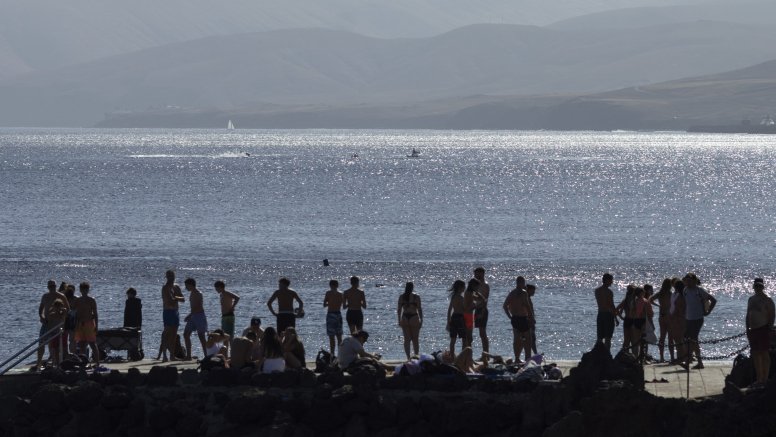
The Directorate General of Public Health of the Canary Islands Health Service (SCS), within the framework of the Canary Islands Heat Surveillance and Prevention Plan, communicates that, according to data supplied by the State Meteorological Agency (AEMET) and the Ministry of Health for the coming days, an episode of extreme temperatures with potential health risks is forecast. Therefore, the different warning levels detailed below are activated.
Lanzarote and La Graciosa are under yellow alert for high temperatures on Monday and Tuesday, which may reach 34 degrees, and also for calima with a maximum visibility of 3,000 meters.
Affected MeteoHealth Zones
Level 3, red, which indicates "high risk" in the vulnerable population to heat (adults over 65 years of age or adults under 65 years of age with risk factors associated with the effects of heat) as well as in the general population exposed to the sun for prolonged periods; this risk level represents an "extreme risk" for adults over 65 years of age with additional risk factors and a "moderate risk" for the general population.
Level 3 (red) alert is activated in the MeteoHealth zones of Santa Cruz de Tenerife-El Rosario, Las Palmas de Gran Canaria, and Lanzarote.
Level 2, orange, which indicates "moderate risk" in the vulnerable population to heat (adults over 65 years of age or adults under 65 years of age with risk factors associated with the effects of heat) and in the general population with prolonged exposure to the sun; likewise, this orange alert level indicates an "elevated risk" for adults over 65 years of age with additional risk factors.
Level 2 (orange) alert is activated in the MeteoHealth zones of Fuerteventura, Telde, and East, South, and West of Tenerife.
Level 1, yellow, which indicates mild risk in the vulnerable population (adults over 65 years of age or with risk factors associated with the effects of heat).
Level 1 (yellow) alert is activated in the MeteoHealth zones of North of Gran Canaria, East, South, and West of Gran Canaria, North of Tenerife, and West of La Palma.
Episode Definition
According to the information available, this notice is a continuation of the one issued for Sunday the 13th, and as of today, this situation will continue until the middle of the week with less intensity. However, the information will be updated as estimates become available. Exceeding the maximum temperature thresholds in the MeteoSalud areas indicates an increased risk of heatstroke and other health problems, especially in sensitive and vulnerable populations.
Therefore, it is recommended that in addition to the usual prevention measures against heat, consider rescheduling outdoor activities that involve physical exertion and staying in cool places as much as possible. It is recommended that protective measures against heat be adopted for cultural-religious activities, and special vigilance be exercised for the possible appearance of heat-related symptoms in attendees.
Likewise, in MeteoSalud areas with alert level 3, it is recommended to cancel or reschedule activities that expose the population to heat for prolonged periods (generally from 11 a.m. to 6 p.m.), such as sports competitions, any type of outdoor physical activity, or large-scale events, and to move them to the cooler hours of the day. The most up-to-date information will be available at the following address.
On the other hand, to this episode is added in the midlands and islands of Fuerteventura and Lanzarote the entry of calima, which although not expected to be of great intensity, may worsen heat-related symptoms in the population. Likewise, this phenomenon leads to a decrease in humidity and contributes to an alteration in the perception of real temperature.
People with vulnerability factors to heat:
• Infants and children under 4 years of age, pregnant women, and adults over 65 years of age.
• People with pre-existing respiratory, cardiovascular, renal diseases, hypertension.
• People with chronic diseases: diabetes mellitus, morbid obesity
• People with certain pharmacological treatments: diuretics, laxatives, neuroleptics, anticholinergics, benzodiazepines.
• People with cognitive deficits or lack of autonomy
• People who consume alcohol or other psychotropic substances.
• People who engage in intense outdoor physical activity
• People who live alone, homeless
• People with high exposure to heat for work, sports, leisure, or tourism reasons
Probable symptoms
Intense thirst, weakness, general malaise, dizziness, fatigue, nausea, headache, muscle cramps, fever or temperature below normal, palpitations. And symptoms indicating severity: fainting, seizures, coma
Recommendations for the general population and especially for the sensitive:
- Avoid dehydration: drink water and fluids without waiting to feel thirsty. Avoid caffeine, sugary drinks, energy drinks, or those with sweeteners, and alcohol
- Eat mainly light meals, such as salads, vegetables, and fruits, avoiding fatty and heavy foods.
- Take care of fragile and vulnerable people, especially children, pregnant women, and the elderly.
Protect yourself from the heat:
- Outdoors: avoid sun exposure during the central hours of the day by wearing loose clothing, plan intense physical activity for early morning or late afternoon, and check the weather forecast when planning outdoor activities.
- Reschedule outdoor work activities.
- Indoors: cool rooms during the extreme hours of the day, avoid using heat-producing appliances during the central hours, cool your body with fresh water. Prioritize staying in indoor spaces, if they are air-conditioned.
In general, limit time spent outdoors and avoid intense or prolonged physical activities outdoors during extreme heat episodes.
Consult a healthcare professional for symptoms requiring immediate specialized action (weakness, fatigue, dizziness, nausea, blurred vision, fever, loss of consciousness...).
In case of emergency, call 112.
Add La Voz de Lanzarote as a preferred Google source.
Stay informed with the latest current news.