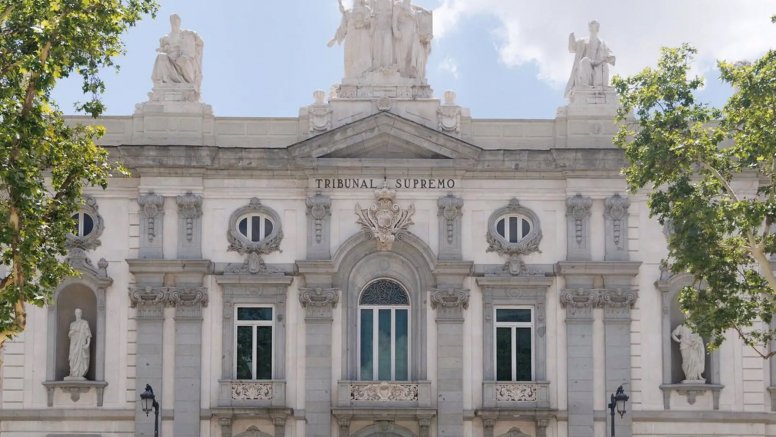
The First Section of the Administrative Litigation Chamber of the Supreme Court has admitted for processing the appeal filed by the State Administration against the ruling that recognized the right of a Civil Guard agent from the Main Post of Costa Teguise to work as a DJ in his free time.
In May 2025, the High Court of Justice of Madrid recognized the agent's right to combine both jobs and annulled the decision of the Undersecretariat of the Ministry of Interior, which a year earlier had rejected the worker's request and denied his compatibility. The ministerial portfolio argued that the specific supplement the agent received for the characteristics of the position exceeded 30% of his basic remuneration, reaching the legal limit established to allow agents to carry out other private activities.
In its resolution, the Madrid court highlighted that the employee had the right to develop this musical activity if he could fulfill the functions of his position as an agent of the armed institute, respect his schedules and working hours. Furthermore, it assured that from his salary the amounts received should be excluded in concept of salary equalization, between the Civil Guard and the autonomous police.
In its appeal, the State Administration has asked the Supreme Court to clarify whether the amount received by Civil Guard agents as salary equalization with the autonomous police forces, should be computed or not, when calculating this 30% limit.
Furthermore, he has highlighted that if authorized, this decision would not only affect this Civil Guard agent, but could be taken into account for other colleagues and also for national police officers.
Add La Voz de Lanzarote as a preferred Google source.
Stay informed with the latest current news.