According to the Canary Institute of Statistics (ISTAC), 1,607 people were born in Lanzarote in 2006, and given the island's population growth in recent years, it is more than likely that there are more than 1,600 people who have turned or will turn 18 this year on the island and therefore can access the 400 euros of the Young Cultural Bonus.
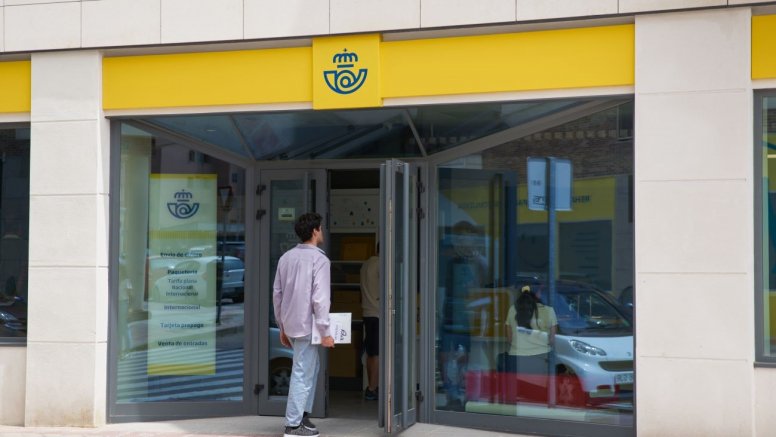
For the third consecutive year, the Ministry of Culture has selected Correos as the collaborating entity for the management of the payment of the Young Cultural Bonus, which celebrates its third edition in 2024.
Interested young people must register and complete the application procedure on the website www.bonoculturajoven.gob.es until September 16.
This aid is entitled to young people who turn 18 in 2024 who are of Spanish nationality, have legal residence in Spain, are asylum seekers, temporarily displaced persons or formerly protected foreigners. According to data from the National Institute of Statistics, there are more than 525,000 potential beneficiaries throughout the country.
Once the Ministry communicates the data of the beneficiaries to Correos, Correos will issue the virtual or physical card so that the beneficiary can make use of the Young Cultural Bonus in the more than 3,400 businesses or entities attached to the program.
This aid, whose objective is to revitalize and boost the cultural sector in Spain and promote universal and diversified access to culture, has a budget of 210 million euros for the 2024 call.
Correos will send an email to the beneficiary indicating the link to download the Correos Prepago app and the instructions to link their Young Cultural Bonus to the Google Pay or Apple Pay platforms.
It will also send their Young Cultural Bonus by postal mail to the beneficiaries who choose the physical format. From that moment on, the beneficiary will be able to see their movements and balance in the app and will have one year to enjoy the aid granted.
The total amount granted will be paid in a single payment, through the Correos Prepago card. They will have 400 euros for the acquisition and enjoyment of cultural products, services and activities.
Each beneficiary can allocate up to 200 euros to performing arts (theater, opera, cinema, dance, museums...); a maximum of 100 euros to physical products (for example, books, newspapers or records); and another 100 euros to digital products (such as subscriptions to
platforms, digital press, podcasts or online video games).
Add La Voz de Lanzarote as a preferred Google source.
Stay informed with the latest current news.