It seems that the fear of the other, the poor and the migrant, is sprouting again among many of us, causing enormous damage to the social fabric. We are seeing it in various ways in every corner of our country, including the town of Máguez, whose Nature Classroom has been used to welcome migrants arriving in fragile boats after the pandemic broke out. The fear is now manifested in the form of rejection of possible infections by covid-19 that migrants could cause, but deep down and in the forms, we stumble again with the old discrimination by racial or ethnic origin, which is still the most widespread type of discrimination.
Faced with these situations, we must act in two directions. On the one hand, we must combat racism and, on the other hand, we must tackle fear through an adequate migration policy so that immigration is regular, orderly and safe. Anyone who believes that it is possible to erect barriers to prevent people from fleeing poverty and emigrating in search of a decent life is wrong. He is wrong because immigration is not only an inevitable phenomenon, but also an absolutely necessary process. Spain and Europe are aging, and the sustainability of our public pension system and our labor market will need a migratory complement.
If this is the reality, we must act responsibly, which is what the coalition government presided over by Pedro Sánchez has been doing after finding the migration policy totally abandoned. We have initiated a comprehensive policy on the migratory phenomenon that combines respect for the human rights of immigrants, cooperation with countries of origin and transit, control of irregular immigration, the fight against trafficking in human beings and integration policies. In addition, immigration has once again become one of the priority issues on the political agenda of the European Union.
Open borders, then? Not at all. We need a policy based on realism, solidarity and disconnected from the partisan agenda that, first of all, orders migration policies in accordance with the principles of the rule of law and, at the same time, guarantees respect for the dignity of all people who arrive and the recognition of their fundamental rights. This is indisputable. But we need a migration policy that makes legal immigration routes more flexible, providing for the possibility of going and returning. And, in parallel, we need to incorporate integration and diversity management back into the political agenda, a process that should culminate in access to Spanish nationality by residence.
Over time, many migrants will end up becoming our compatriots, citizens with the same rights and obligations as us, among the latter in the tax or Social Security field, or the schooling of minor sons and daughters in their care. That is why it is a priority to make efforts to integrate into the host community. Finally, we have to reassemble a policy of good neighborliness, cooperation and co-development with the countries of origin of migratory flows and those of transit, because it seems incredible that we lose sight so easily that many migrants come from neighboring or nearby countries.
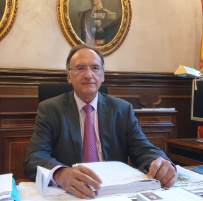
Fco. Manuel Fajardo Palarea, senator of the PSOE for Lanzarote and La Graciosa.
Add La Voz de Lanzarote as a preferred Google source.
Stay informed with the latest current news.