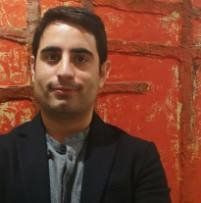
Last Friday, May 10, the book La mujer volcán (The Volcano Woman), the memoirs of the actress, politician, and LGTBIAQ+ rights activist Carla Antonelli, was presented at the Insular Library of Arrecife. The authors of the book, the senator herself and the writer Marcos Dosantos, together with the activist Nahum Cabrera, presented the work, published by Plaza Janés in 2024, to an audience that was able to enjoy a sincere and emotional conversation that committed us all to the life story and struggles of a true survivor on the margins. The telluric force emanating from Carla Antonelli's words when conveying different events in her life moved everyone present and continues to do so thanks to the symbiosis she has achieved with Dosantos' work to put her story in writing in memoirs with a remarkable literary charge.
Lanzarote is a special place for both the writer Marcos Dosantos and Carla Antonelli, and it was important for them that the book be presented on our island. Dosantos' various ties to Lanzarote have to do with his literary admiration for the character of Mararía and his affinity with some contemporary authors from the island. In addition, several of his relatives have lived in Lanzarote for seasons: his sister, who worked as a doctor in a health center, as well as his father and his partner, who worked as a teacher on the island. In Antonelli's case, it turns out that Lanzarote was her island of retreat and escape when she suffered the relationship of male violence with her former partner.
Carla Antonelli is one of those characters who, accustomed as we are to seeing her intervene in the media for years, one has the feeling of knowing and it is inevitable to feel sympathy towards her and the causes she has been vehemently defending in recent years. But the life of the senator obviously goes far beyond that of the television personality. As Alana S. Portero points out in the prologue of the book, Antonelli's life has been very intense and difficult and it is still a contemporary version of the classic heroic story "from solitude, poverty and incomprehension to the conquest of legendary political spaces."
One of the aspects that has most fascinated me about reading Carla Antonelli's biography, in addition to how she has faced loneliness, love, and how she has overcome all the difficulties over the years, has to do with the way in which the arts have guided her destiny, especially literature and cinema, where she has found some important answers for her life. The Güimar library occupies a prominent place in her memories, it became her place of refuge during her youth and there she discovered a book: Catalina Park by Orlando Hernández that served to discover a series of characters in which she found a mirror where to reflect a future in what at that time was an uncertain existence. She mentions, of course, other readings of Lorca, Terenci Moix, Eduardo Mendicutti... The vision of a theatrical work by Jean Genet that were also relevant in her life. And on the other hand we find the cinema, to which she has dedicated herself professionally and which is also fundamental to build her identity, and specifically a film: Cambio de Sexo by Vicente Aranda with interpretations by Victoria Abril and Bibiana Fernández that also offered an image where to identify a lost teenager. Through the arts, in short, Carla Antonelli understood that, if she wanted to be an actress, that to make good fiction, she had to live for real. And she has taken that to the extreme in a fascinating life full of passions, risks, concerns and ambitions in the face of the world's resistance.
Carla Antonelli presented herself in Lanzarote as what she is: a powerful, splendid, endearing and convincing woman who, together with Marcos Dosantos, presented the memories of an unfinished life and an indefatigable struggle. She has worked tirelessly against the dehumanization of a group too often attacked and misunderstood. But La mujer volcán is not only the biography of an exceptional person, it is a reading that allows us to know and recognize the history of recent Spain with special attention to the elaboration of the laws that have led us to the world vanguard in terms of the defense of human rights, gender equality and sexual diversity, which made Spain a more dignified and free country and of which we feel more proud thanks to the struggle of Carla and so many anonymous people and who have been left behind in the construction of a freer, more decent and happier Spain.
Add La Voz de Lanzarote as a preferred Google source.
Stay informed with the latest current news.