The Art, Culture and Tourism Centers have published on their website a six-volume digital work on the heritage of Timanfaya National Park, signed by the archaeologist and Cultural Heritage manager, Jesús Cáceres, and the historian Jaime Galván, with images altruistically provided by the ethnographer and landscape photographer José María Barreto. It can be consulted on the following link.
“This project allows us to share the enormous heritage value of Timanfaya from an open, contemporary, and accessible perspective,” highlighted the counselor of the Tourist Centers, Ángel Vázquez. “It is an invitation to rediscover a territory that is the identity of Lanzarote through texts and images that broaden our way of understanding and enjoying one of the most recognizable volcanic landscapes in the world. A space that, furthermore, has recently celebrated the 50th anniversary of its declaration as a National Park.”
The publication is articulated around six thematic axes that expose from the destructive processes of volcanic lava flows to the birth of heroic agriculture through a renewed approach that shares the past, present, and future of Timanfaya National Park and its annexed spaces.
The collection
Timanfaya: history of a landscape of fire is a literary journey that begins before the eruptions of 1730-1736 and concludes with the declaration of National Park.
Between lava and ash: geological keys of Timanfaya explains the result of geological processes from a scientific point of view.
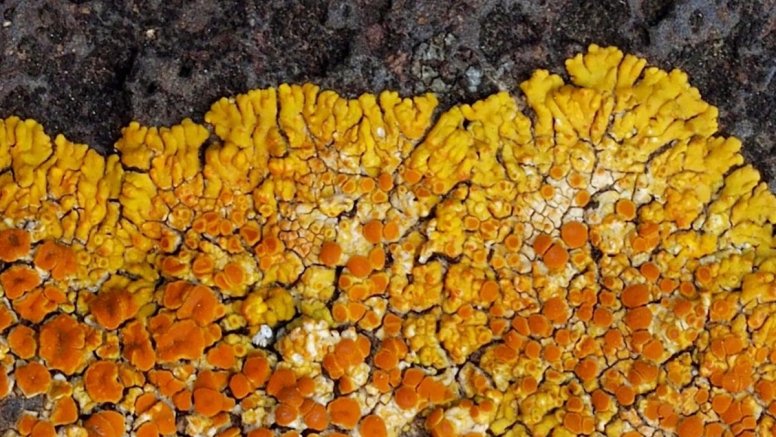
Green on black: flora and fauna of Timanfaya describes how life has made its way in an apparently dead territory.
The volumes IV, V and VI delve into the birth of La Geria, a space for cultivation based on the properties of volcanic ash, which has recently been cataloged as GIAHS (Globally Important Agricultural Heritage Systems); they reflect the resilience and adaptability of human beings to the landscape, and warn about the importance of raising awareness among the population to collectively protect a territory that is part of the island's idiosyncrasy.
Each of the volumes has around 50 pages, with large-format photographs and texts that address each topic with meticulousness and numerous references that allow for deeper knowledge about the Timanfaya National Park.
The work is born with the vocation of raising awareness among residents and visitors about the need to protect the volcanic landscape of Lanzarote.
Add La Voz de Lanzarote as a preferred Google source.
Stay informed with the latest current news.