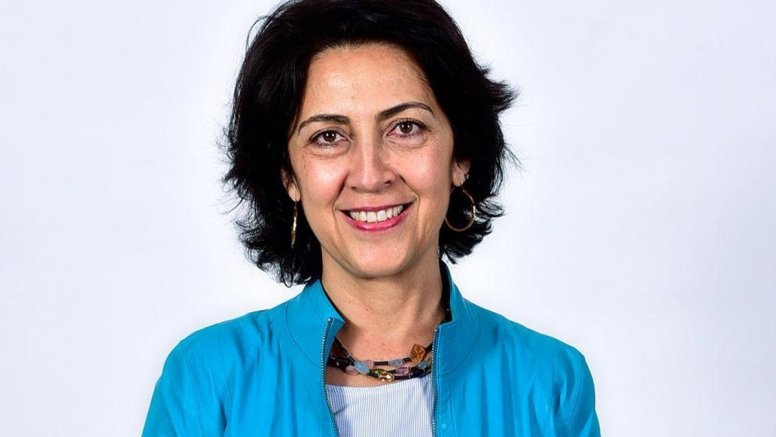
Attacks on doctors are making headlines in Spain. Several events have begun to highlight the vulnerability of doctors in their workplaces. The General Secretary of the College of Physicians of the province of Las Palmas, Marta León, in an interview this Wednesday on Radio Lanzarote- Onda Cero, explained the entire process that some primary care and emergency doctors go through.
Attacks on doctors are "against nature", León stressed. Events that cause psychological damage to workers. "It's a shock that a patient attacks us and then we have to report it", she revealed to the radio microphones. A patient's behavior that professionals sometimes cannot accept. "We are not prepared to receive death threats," she added.
"It's a shock that a patient attacks us and then we have to report it”
The negative repercussions that these confrontations have on doctors and their relationship with patients are significant. "There is a deterioration in their health, and the complicity between the two is broken," the secretary stressed. Doctors live with the unease of having to meet their aggressor again. "It's difficult to resolve, you have the fear of being able to meet them again," León explained. The professional activity remains the same every day and "you have to continue seeing patients," she pointed out as a negative aspect.
The College of Physicians has stressed the need to publicize the attacks to raise awareness among the population. "It is necessary to make it visible, to expose that it is a criminal offense and causes a deterioration of health care." So they encourage workers to report the situations. "We encourage all registered doctors to report in order to protect them," she assured.
Doctors usually notify the College of Physicians of the attacks, which offers "immediate attention" to the victims. "They provide legal advice, process the complaint and accompany them throughout the judicial process," she revealed. In addition, psychological support in these cases is essential. "The doctor generally needs to feel accompanied, that there is someone who understands their problem and to form a support network so as not to feel alone,"
After the attacks and specific complaints, there are several measures to protect doctors. "There are protocols to avoid seeing the patient again in case of aggression," she commented. But she pointed out that it is a complex process. "You can change the patient's appointment, but a court order would be needed to change them from the health center," León revealed.
Schedule problems and sick leave: some of the causes
According to data collected in the Canary Islands, "55% of female doctors and 43% of male doctors" are attacked by their patients in their workplaces, Marta pointed out. Nationally, the data show that "70% of women and 30% of men" dedicated to the health field are attacked. Of these remarkable percentages, a small number of professionals have to take a break. "10% of the doctors attacked take sick leave," she added.
Attacks against doctors involve "a significant emotional impact", with women being the most affected. "They suffer more attacks than men," she stressed.
The causes of the confrontations are related to patients' disagreements with medical care. Center schedule problems, delays in diagnostic tests, dissatisfaction with the content of some reports, not giving sick leave and temporary disability, and the denial of medical tests that the doctor considers unnecessary, among other issues.
Issues in which the professional cannot take part. "The doctor has nothing to do with it, they are just another victim," the woman expressed. The patient is in a vulnerable situation and uses aggression, verbal or physical. "The patient does not listen to reason and the aggression occurs."
The College of Physicians requests that "a central registry" be regulated at the national level and copy the model that has been established in Andalusia, to know the number of attacks, the dates and the reasons for the attacks. A dossier of judgments and data that serve as a reference for the jurisdiction in the face of future similar events.
Add La Voz de Lanzarote as a preferred Google source.
Stay informed with the latest current news.