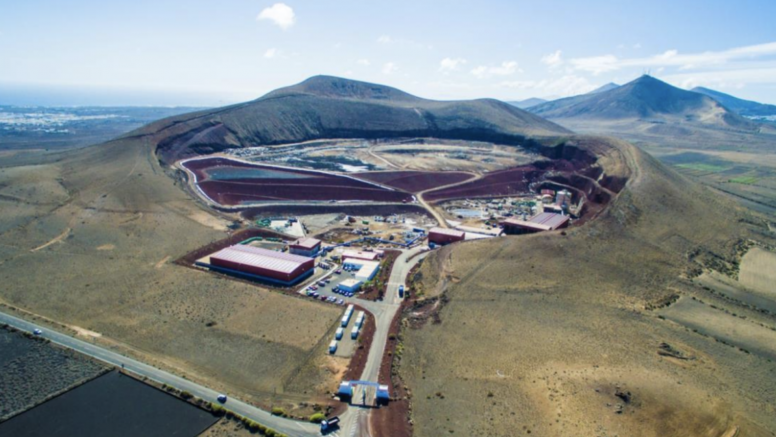
Household waste collected in homes and ending up at the Zonzamas Environmental Complex, Lanzarote's only landfill, has grown to 93.7 thousand tons in 2024. This means that the increase in urban waste in the last ten years has been 3%, since in 2014 it was 90.3 thousand tons. Compared to 20 years ago, this represents a decrease of 12%.
The lowest figure in recent years occurred during the coronavirus pandemic, which forced a quarantine to be declared throughout Spain from mid-March 2020 and generated zero tourism. In total, Lanzarote generated 69.9 thousand tons of waste that year, according to data from the Data Center of Lanzarote.
The largest decrease in waste during the pandemic year occurred in tourist areas, as municipalities such as Yaiza went from discarding 1.3 thousand tons per month in February to 524 tons in April. This decrease also occurred in Teguise, which went from 1.1 thousand tons in February to 767 tons in April; the same happened with Tías, which decreased from 1.5 thousand tons in the second month of the year to 756 in the fourth.
Already in 2024, the months with the highest amount of waste collected were July and August, with 8.3 thousand and 8.6 thousand tons, respectively. By municipality, the capital of Lanzarote and the three most touristy and most populated towns, Teguise, Tías and Yaiza, generated more waste than the rest.
Specifically, throughout last year in Arrecife, the island's municipality with the most inhabitants, 23.5 thousand tons of waste were collected; in Yaiza, 19.9 thousand tons; in Tías, 19.9 thousand tons; and in Teguise, 16.1 thousand. In contrast, Haría caused 2.9 thousand tons; San Bartolomé generated 8.2 thousand tons; while Tinajo discarded 2.9 thousand.
Add La Voz de Lanzarote as a preferred Google source.
Stay informed with the latest current news.