The National Institute of Communicable Diseases has confirmed this Wednesday that the hantavirus strain that has so far left eight cases of contagion, three deaths, and five suspected of suffering from the disease, is the Andes, the only one transmissible between humans.
It is an endemic variant in the Southern Cone, that is, in countries such as Chile, Argentina, Uruguay, Paraguay and Antarctica, according to the Ministry of Health.
Previously, other outbreaks had been located in Argentina (1996, 2018) and Chile (1997, 2004, 2014), which occurred after people had been in close and prolonged exposure to the virus.
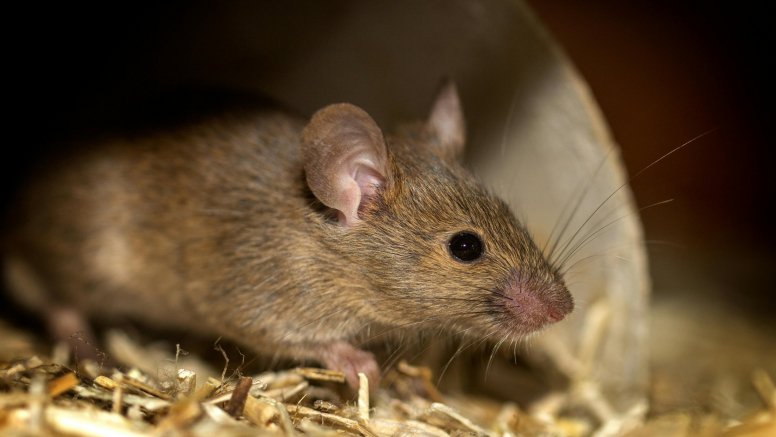
Hantavirus can infect people worldwide and be serious. Transmission generally occurs through inhalation, for example, when we breathe in open or closed spaces such as gardens or pastures where there is feces or urine from infected rodents that release the virus into the air.
Contagion also occurs through direct contact by touching infected live or dead rodents, or their feces or urine. However, it is also transmitted through the bite or scratch of a rodent, although Health points out that "this is rare".
Symptoms
Hantavirus, generally, does not present symptoms for 1 to 3 weeks, with a range of 3 to 45 days. However, there are people who get infected and who experience the illness without symptoms or with mild cases.
The virus causes fever, chills, headache, muscle and joint pain, difficulty breathing, rapid heart rate, severe fatigue, and abdominal pain. In addition, it causes a pulmonary syndrome and can cause other symptoms such as cough, difficulty breathing, fluid in the lungs, and a feeling of tightness in the chest.
These symptoms appear once the disease has advanced considerably, between 4 and 10 days after infection. 40% of people diagnosed with this condition run the risk of dying. After two weeks of illness, the symptoms continue to increase, causing kidney failure which affects the kidneys and can cause additional symptoms such as nausea and vomiting, low blood pressure, and blurred vision.
Currently there is no specific treatment for hantavirus. Those patients with cardiopulmonary syndrome due to the disease should be assisted in hospital facilities, preferably with intensive care units that have mechanical respiratory assistance.
Prevention
- Keep the establishment clean to avoid the presence of rodents, eliminating disused items that may serve for their nesting.
- Exercise special care in the startup of fans and air conditioning units whose filters or ducts may have come into contact with contaminated dust, rodents, or their droppings.
- Bury the garbage daily in places far from the establishment and covered with at least thirty centimeters of soil, in the event that there is no home collection.
- Ventilate the rooms before entering, if rodent activity is suspected.
- Eliminate all types of objects that can serve as a nesting site for rodents.
Add La Voz de Lanzarote as a preferred Google source.
Stay informed with the latest current news.