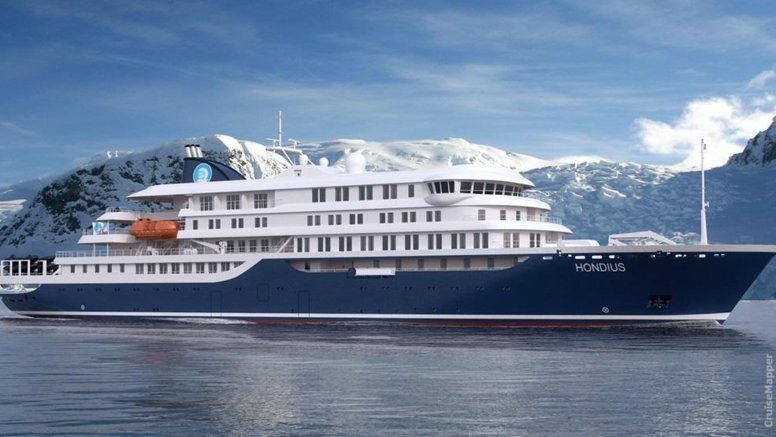
The World Health Organization (WHO) has reported a hantavirus outbreak on the luxury cruise ship 'MV Hondius' that has left three dead so far, according to the entity's publication on its X social media profile.
The cruise ship set sail from the port of Ushuaia, in Argentina, and was heading to Cape Verde, where it is currently located. The final destination of the ship is the Canary Islands.
Until now, six cases in total of hantavirus have been confirmed, of which three have died and one is admitted to intensive care in South Africa. In addition, there are five other suspected cases.
The WHO has explained that "detailed investigations are being carried out, including additional laboratory tests and epidemiological investigations". Furthermore, the organization is offering medical care and support to passengers and crew.
Likewise, the entity is coordinating the actions between the Member States and the ship's operators for the medical evacuation of two symptomatic passengers, as well as the complete evaluation of the public health risk and the support to the rest of the passengers on board.
Hantavirus Transmission and Symptoms
According to the WHO, hantavirus infections are usually linked to the exposure or contact with urine, saliva or feces of infected rodents. Although it is rare, hantavirus "can be transmitted between people and can cause a severe respiratory illness that requires careful patient monitoring, support and response".
Regarding the symptoms, hantavirus causes fever, chills, headache, muscle and joint pain, difficulty breathing, rapid heart rate, severe fatigue, and abdominal pain.
Furthermore, this virus causes a pulmonary syndrome and can cause other symptoms such as cough, difficulty breathing, fluid in the lungs, and chest tightness.
These symptoms appear once the disease has advanced considerably, between 4 and 10 days after infection. 40% of people diagnosed with this condition run the risk of dying.
After two weeks of illness, symptoms continue to increase, causing kidney failure that affects the kidneys and can cause additional symptoms such as nausea and vomiting, low blood pressure, and blurred vision.
Add La Voz de Lanzarote as a preferred Google source.
Stay informed with the latest current news.