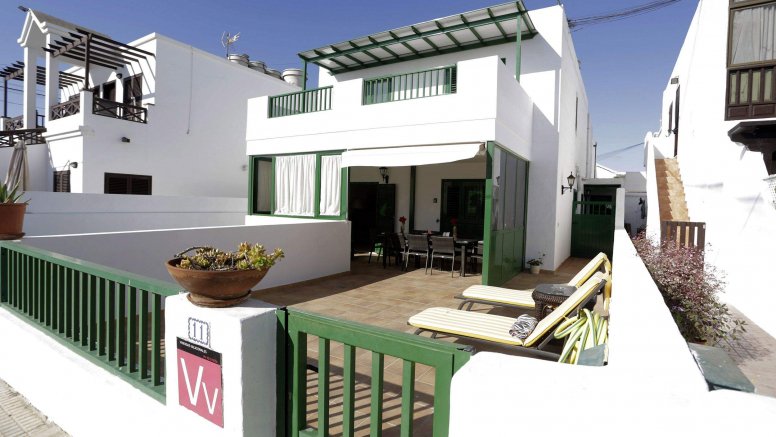
In the world of tourism and vacation rentals, it is common to find some confusion between the terms vacation home and tourist apartment. Although at first glance they may seem synonymous, the reality is that there are significant differences between the two concepts that are important to know, both for a traveler looking for accommodation, and for an owner who wants to rent their property, according to Idealista.com.
What is a vacation home? What is a tourist apartment?
A vacation home is a property owned by an individual that is rented to tourists for short stays. This type of accommodation is very common on online booking platforms such as Airbnb and Booking.com. The vacation home offers travelers a more personal and authentic experience, as it allows them to live like a local and in a residential environment.
It is important to note that vacation homes are subject to licenses managed by the Government of the Canary Islands. This means that, in order to rent your property as a vacation home, the owner must comply with a series of local requirements and regulations. These types of homes are registered as residential units, which may have implications in terms of taxes and other legal aspects.
A tourist apartment is a home that has been specifically designed and intended for tourist purposes. Unlike vacation homes, tourist apartments are usually found in buildings or complexes dedicated exclusively to renting to tourists, which gives them a more hotel-like atmosphere.
Tourist apartments must meet specific requirements established by local regulations, such as having an identification plate and meeting certain quality and safety standards. In terms of categorization, tourist apartments are classified similarly to hotels, with stars indicating the level of quality and comfort they offer.
Main differences between both models
Although they may seem similar at first glance, there are key differences between a vacation home and a tourist apartment:
Ownership: Vacation homes are usually properties of individuals who decide to rent them out during certain periods of the year, while tourist apartments are professionally managed by companies or entities dedicated to the tourism sector.
Regulation: As we have already mentioned, vacation homes require local and regional licenses to be rented, while tourist apartments must comply with stricter requirements, similar to those of hotels, since they have the same consideration as this type of establishment.
Stay: In general, vacation homes are rented for a maximum period of 30 days, while tourist apartments can be rented for longer periods, depending on local regulations and the establishment's policies.
Classification and type of use: Vacation homes are residential units that are rented occasionally, while tourist apartments are designed and intended exclusively for tourist accommodation, that is, they have a purely commercial purpose.
Regulations and rules of tourist apartments and homes for tourist use
Regarding regulations, there are notable differences between tourist apartments and homes for tourist use. An important aspect that you should know is that both concepts are regulated by each Autonomous Community, so it may vary depending on where the property in question is located. These are some of the most relevant aspects:
Licenses and registrations: Both vacation homes and tourist apartments must be registered in the corresponding tourist registers. However, vacation homes require specific licenses granted by the autonomous community.
Definitions and legal status: Tourist apartments are subject to regulations similar to those of hotels, which implies stricter requirements in terms of services and facilities. On the other hand, vacation homes have a unique legal status that distinguishes them from other types of tourist accommodation.
Specific requirements: In terms of facilities and services, tourist apartments must comply with stricter regulations than vacation homes, which have more flexible requirements.
Contract duration: Generally, vacation homes are rented for a maximum period of 30 days, while tourist apartments do not have a minimum stay limit and can be rented for longer periods.
Number of places: Tourist apartments usually offer a greater number of places than vacation homes, which makes them a more suitable option for large groups or large families. In principle, VUTs cannot exceed 10 or 15 places.
Facilities: Vacation homes usually have more flexible requirements than tourist apartments, which must meet certain quality and comfort standards.
Add La Voz de Lanzarote as a preferred Google source.
Stay informed with the latest current news.