During the month of February, the wholesale electricity pool in Spain averages 11.36 euros per megawatt-hour, which represents a drop of 84.2% compared to the previous month and 89.5% less than a year ago.
Antonio Aceituno, energy market analyst and CEO of Tempos Energía confirms that we are facing the "cheapest February ever recorded".
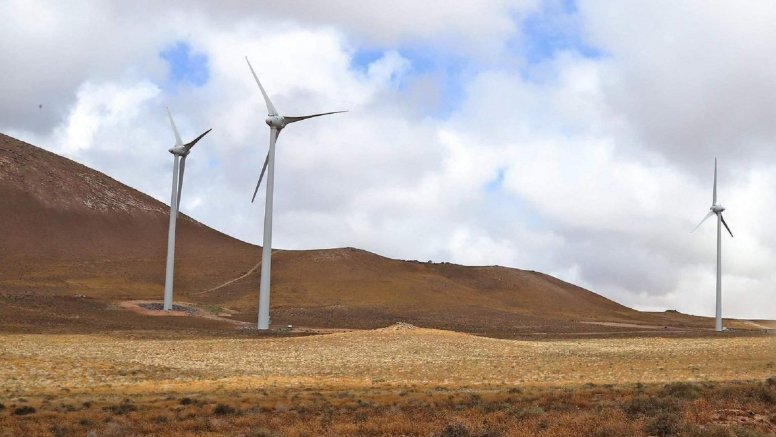
The explanation is meteorological and structural due to Spain having chained together a train of storms with “extreme hydrology (+60.76%) and exceptional wind production, rising 11.11%.
Between wind and hydroelectric energy the mix already covers 59.7%, if we add solar, the system reaches 73.6%. The excess causes three out of four hours to be priced below 10 euros and almost one in five to be negative. Hence, the direct consequence is that gas is left out of the equation with combined cycles registering a 40.91% drop.
End of gas's prominence
The energy market has left a clear reading: "Europe is not paying a winter premium but is beginning to discount its next battle: summer."
The European gas market reference (TTF) remains stable in the range of 31-33 euros per megawatt-hour and with 35% storage.
With an eye on the futures of gas, the key European market benchmark, closes at 32.48 euros per megawatt-hour in the second week of February, consolidating itself as cheap gas trapped in the lower part and without tension despite geopolitical noise and winter.
From Tempos Energía they affirm that “gas reacts when the market gets scared, but it doesn't manage to sustain high prices because the system is supplied”.
The first key date is the replenishment of reserves between April and October. As the CEO of Tempos has indicated, "if the injection campaign does not start strongly in the spring, the market could begin to build a summer premium earlier than expected."
For its part, Liquefied Natural Gas continues to act as a safety net for the system. European imports are on track for 5 trillion weekly, representing the largest volume since records began. The United States concentrates nearly 70% of deliveries, consolidating future security.
Add La Voz de Lanzarote as a preferred Google source.
Stay informed with the latest current news.