The Official College of Agricultural Engineers of the Canary Islands expresses its concern at the detection of several outbreaks of phylloxera of the vine (Daktulosphaira vitifoliae) on the island of Tenerife, located so far in Valle de Guerra, La Laguna and La Matanza, and stresses that this fact shows "serious failures" in phytosanitary controls at the border, whose primary responsibility lies with the central government.
“Canarias has its own phytosanitary barrier to protect its agricultural heritage and its native varieties, but if the first line of defense, which is the responsibility of the Government, does not work, the door is left open to the entry of pests with very serious economic and environmental consequences,” says Elías Marrero, delegate of the College in Tenerife.
Investigations have confirmed that the affected plant material was illegally introduced into the island, in breach of the regulations that expressly prohibit the entry of vines into the Canary Islands, from any territory, including the peninsula.
The College considers this fact a direct attack on the phytosanitary security of the archipelago, which adds to other episodes of pest entry, such as the potato moth (Tecia solanivora) or the Mexican cochineal (Dactylopius opuntaie) that has devastated the prickly pears in the Canary archipelago.
"It does not affect the health of people or the quality of wines"
The College emphasizes that "this pest does not affect the health of people or the quality of Canarian wines, but its presence could imply the forced reconversion of part of the vineyard, especially in the case of not achieving its complete eradication"
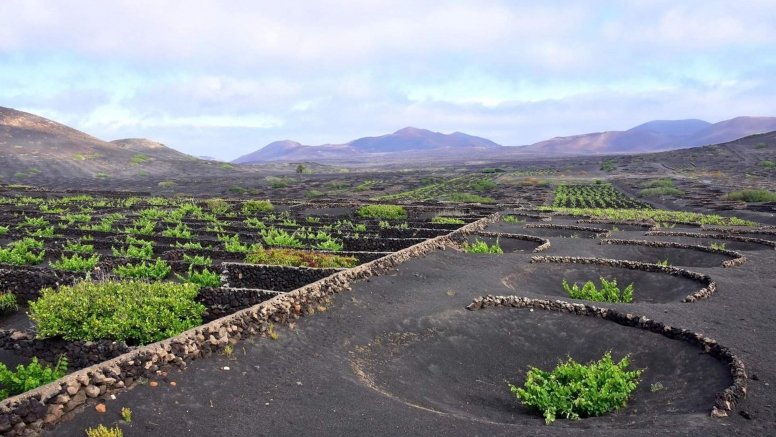
In such a scenario, "traditional ungrafted viticulture would have to coexist with systems based on resistant American rootstocks, which poses a challenge for the preservation of historical techniques and unique wine-growing landscapes such as the braided cordon of La Orotava or the unique vineyards in volcanic funnels of Lanzarote", they explain.
“The problem is not only phytosanitary, it is also economic and cultural. Those who pay the price are the farmers, who would have to face the costs of prevention, treatments or even the reconversion of their crops,” the delegate stresses.
The organization insists that citizen awareness is key: it is forbidden to introduce plant material into the Canary Islands. Ignorance or non-compliance with this regulation may put at risk the rich wine-growing biodiversity of the archipelago, which has remained free of phylloxera to date thanks to the Order of March 12, 1987 and which establishes specific rules for the Canary Islands due to their island status.
Add La Voz de Lanzarote as a preferred Google source.
Stay informed with the latest current news.